While some traders focus on short-term moves, another approach is built around a much longer time horizon. Learn more in the article.

While some traders focus on short-term moves, another approach is built around a much longer time horizon. Learn more in the article.
A trade moves against you, the market suddenly accelerates, or you miss a move that later turns into a big winner. Learn more in the article.
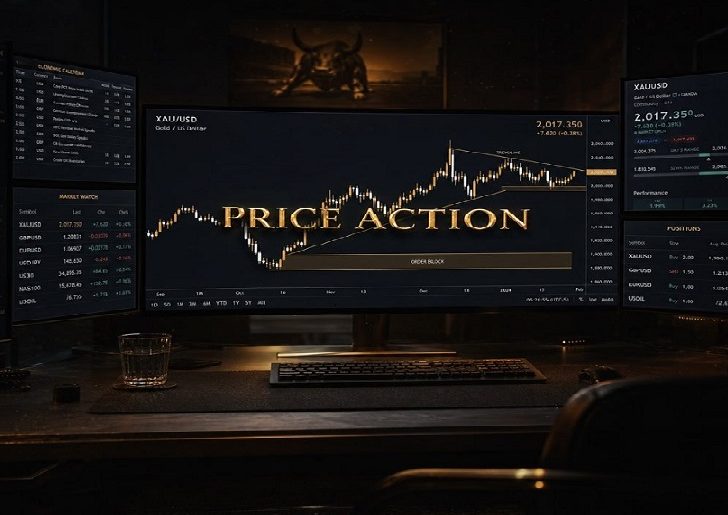
By learning to read these signals, traders can make decisions without covering the chart with extra indicators. Learn more in the article.
A price action strategy without indicators Forex can help traders build a cleaner chart and make decisions based on market structure, support and resistance, and candlestick patterns. Learn more in the article.
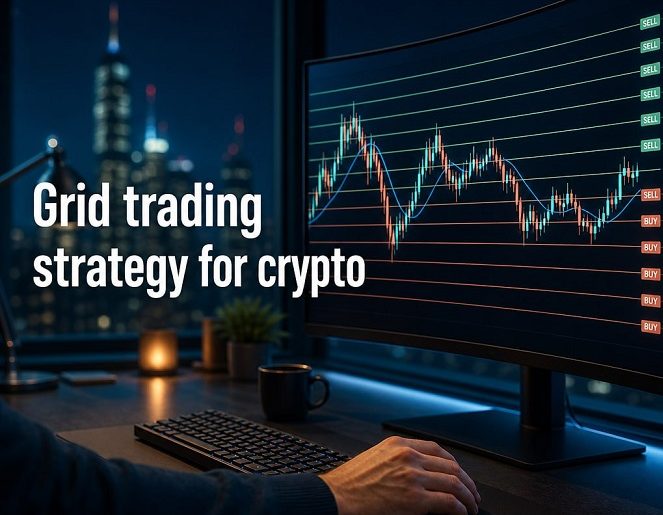
When crypto prices stop making big moves and start bouncing between clear support and resistance levels, a grid trading strategy can turn that sideways action into a series of smaller trading opportunities. Learn more in my article.
A good scalping risk management strategy is not about avoiding losses altogether. Learn more in the article.

The biggest mistake is to treat every position as a separate decision. Learn more in the article.

Bitcoin can break out while altcoins lag, a sector can suddenly catch fire, and a sharp market reversal can wipe out weeks of gains in a few trades. Learn more in the article.
Inflation is one of the biggest forces shaping the Forex market. Learn more in the article.
Price momentum fades, familiar highs and lows stop forming, and buyers or sellers begin losing control. Learn more in the article.