Impulsive trading is one of the biggest challenges new traders face because it can lead to unnecessary losses and inconsistent results. Successful trading is not only about finding good opportunities; it is also about controlling emotions, following a strategy, and making decisions based on analysis rather than reactions.
Learning how to avoid impulsive trades helps beginners build discipline and develop habits that support long-term success in the markets.

Understand Why Impulsive Trading Happens
Before changing trading behavior, beginners need to understand what causes impulsive decisions. Most emotional trades come from psychological triggers rather than market conditions.
One of the main reasons is fear of missing out (FOMO). When traders see an asset rising quickly, they may feel pressured to enter immediately because they believe they will lose a profitable opportunity. However, buying without proper analysis often means entering at the wrong moment.
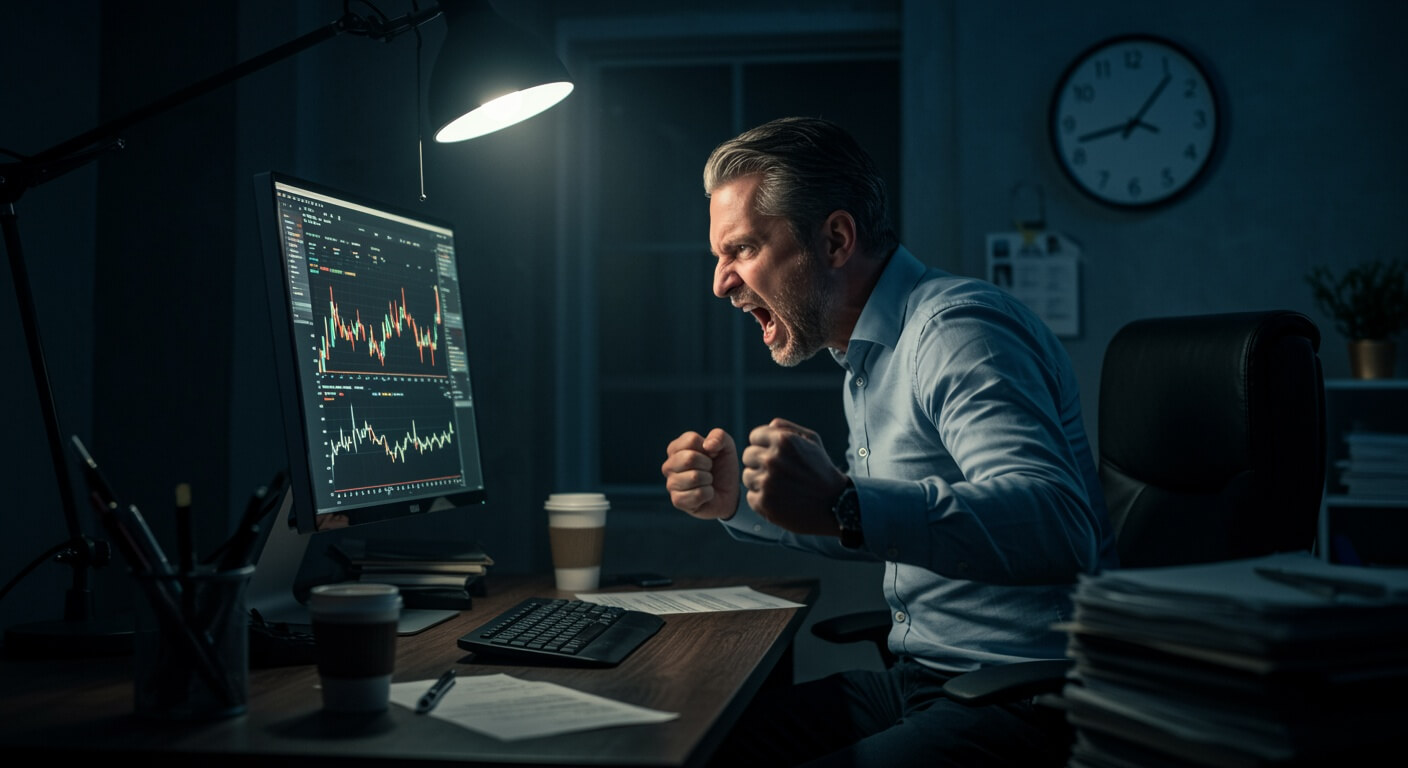
Another common trigger is the desire to recover losses quickly. After a losing trade, some beginners increase their position size or open new trades without a strategy. This emotional reaction, known as revenge trading, can create even larger losses.
Overconfidence can also lead to impulsive decisions. After several successful trades, beginners may believe they have mastered the market and start ignoring risk management rules.
Create a Trading Plan Before Entering the Market
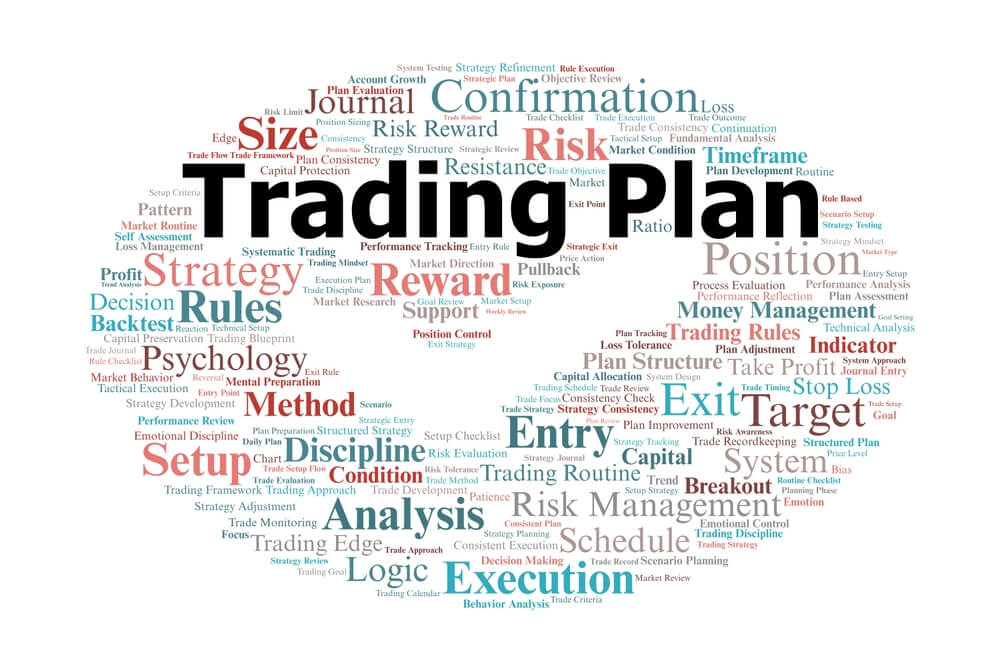
A trading plan is one of the most effective tools for avoiding emotional decisions. Instead of reacting to every price movement, traders should decide in advance what conditions must be met before opening a position.
A good trading plan defines entry points, exit levels, acceptable risk, and the reasons behind each trade. When these rules are written down, it becomes easier to follow logic instead of emotions.
Beginners should avoid opening trades simply because the market is moving. Every position should have a clear explanation based on analysis. If there is no strong reason to enter, the best decision is often to wait. A simple plan can include:
- The trading strategy and market conditions required for entry.
- The maximum amount of money that can be risked on one trade.
- The level where profits will be taken or losses will be accepted.
- The situations when trading should be avoided, such as during extreme emotions.
Practice Patience and Avoid Constant Market Watching
Many beginners believe that successful traders must always be active. In reality, frequent trading often creates more opportunities for emotional mistakes.
Watching charts constantly can increase stress and encourage unnecessary trades. A small price movement may appear important, even when it does not affect the overall market situation.
Patience is a valuable trading skill. Professional traders often wait for specific setups instead of forcing trades. Missing one opportunity is usually less damaging than entering a low-quality trade because of impatience.
Setting specific times for market analysis can help beginners maintain discipline. Instead of checking prices every few minutes, traders can review markets according to their strategy and timeframe.
Use Risk Management to Control Emotions
Risk management plays an important role in preventing impulsive behavior. When traders know that a single trade cannot seriously damage their account, they are less likely to make emotional decisions.
Beginners should avoid risking large portions of their capital on one idea. Large losses create emotional pressure and often lead to poor decisions in an attempt to recover money.
Using stop-loss orders, reasonable position sizes, and predefined risk limits helps traders stay calm during market fluctuations. A disciplined approach allows traders to focus on the quality of their decisions rather than short-term results.

Develop Emotional Discipline Through Trading Journals
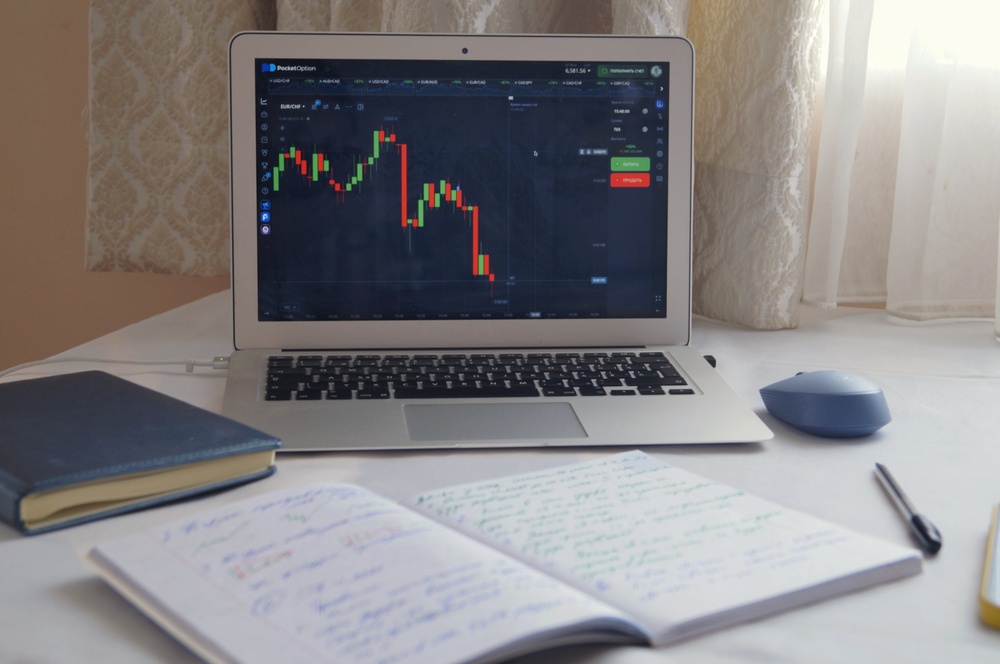
A trading journal is a useful tool for understanding personal habits and improving decision-making. Recording trades allows beginners to identify patterns behind impulsive actions.
A journal should include the reason for entering a trade, emotional state, market conditions, and the final result. Over time, traders can recognize situations that often lead to mistakes.
For example, a trader may notice that most unnecessary trades happen after losses or during periods of high market volatility. Understanding these patterns makes it easier to create strategies for avoiding them in the future.
Avoid the Need to Trade Every Day
One of the biggest misconceptions among beginners is that they need to make trades regularly to succeed. The market does not provide high-quality opportunities every day, and sometimes the best decision is to stay out.
Trading only when conditions match a strategy reduces emotional pressure and improves consistency. Experienced traders understand that waiting is part of the process.
A lack of trades does not mean a lack of progress. Studying charts, reviewing previous decisions, and improving skills are also important parts of becoming a better trader.
Avoiding impulsive trades is one of the most important skills beginners can develop. Emotional decisions often come from fear, impatience, or the desire to recover losses quickly, but disciplined habits can help traders maintain control.
Creating a trading plan, managing risk, practicing patience, and keeping a journal are practical steps that reduce emotional mistakes. Trading success is not only about finding profitable opportunities; it is also about having the discipline to make thoughtful decisions.
By focusing on consistency rather than quick results, beginners can build a stronger foundation and improve their chances of long-term success in the markets.