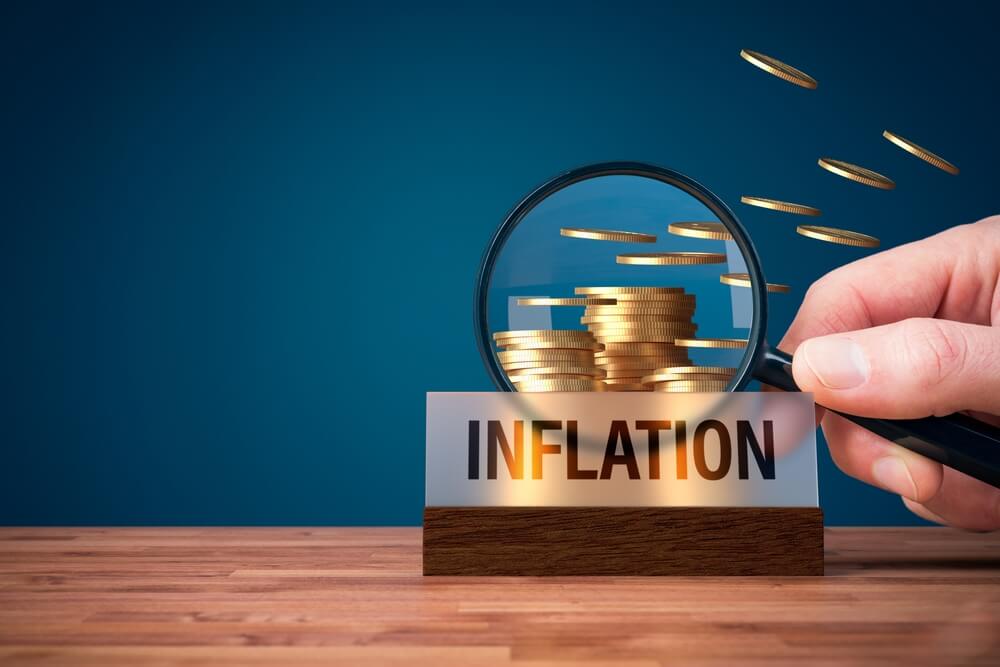
Inflation is one of the biggest forces shaping the Forex market. When consumer prices rise, traders immediately start asking what central banks will do next: raise rates, keep them high for longer or eventually cut them. Those expectations can move currencies well before the policy decision itself. Understanding the inflation impact on trading strategies in Forex therefore means looking beyond the inflation number and focusing on how it changes interest-rate expectations, bond yields and currency demand.
Why Inflation Matters in Forex
Inflation affects currencies mainly through monetary policy. A country with persistently high inflation may see its central bank raise interest rates to cool the economy. Higher rates can make that currency more attractive to investors seeking better returns, potentially supporting its value.
But the market is always looking forward. If inflation comes in lower than expected, traders may start pricing in rate cuts, which can weaken the currency. If inflation surprises to the upside, expectations for tighter policy can push it higher.
That is why the same inflation rate can produce completely different market reactions depending on what traders were expecting beforehand.
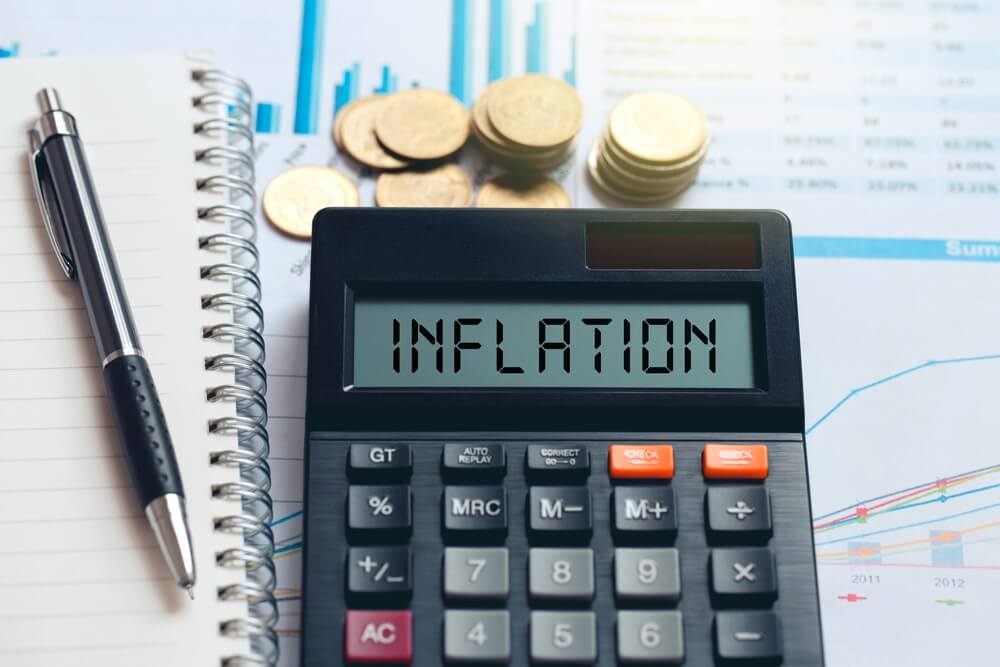
How Inflation Moves Currency Pairs
The impact is easiest to see in major currency pairs. Consider EUR/USD: if U.S. inflation comes in hotter than expected while eurozone inflation is cooling, markets may expect the Federal Reserve to keep rates higher for longer while the European Central Bank has more room to ease. That shift in the expected rate differential can support the dollar and weigh on EUR/USD.
The opposite can happen when U.S. inflation falls faster than expected. Lower inflation can increase expectations for Fed rate cuts, push Treasury yields lower and reduce demand for the dollar. For Forex traders, the key is not simply inflation impact on Forex prices, but the difference between inflation trends across two economies.
Inflation and Central Bank Policy
Central banks are at the heart of the inflation story. The Federal Reserve, European Central Bank, Bank of England and other major central banks closely monitor inflation when setting monetary policy. Traders should pay particular attention to:
- Headline inflation. Captures overall price growth and can influence short-term market expectations.
- Core inflation. Excludes volatile food and energy prices and often provides a clearer view of underlying price pressure.
- Inflation expectations. Show where consumers and markets believe prices are heading and can influence future policy.
- Interest-rate expectations. Often matter more for currencies than the inflation figure itself.
- Bond yields. Rising yields can support a currency by increasing its relative return.
- Real interest rates. The gap between nominal rates and inflation can help explain whether a currency is becoming more or less attractive.
How to Build Forex Strategies Around Inflation
There is no single Forex inflation trading strategy that works in every market. The best approach depends on whether inflation is accelerating, slowing or surprising traders relative to expectations.
One common approach is to trade the immediate reaction to inflation data. This can work when the release significantly changes expectations for central-bank policy, but volatility can spike within seconds, making execution difficult.
Another approach is to trade the broader trend after the initial reaction. If inflation remains elevated and the central bank continues signaling restrictive policy, traders may look for opportunities to stay with the currency trend rather than chase the first move.
For longer-term positions, traders can compare inflation and monetary-policy trends between two countries. This can help identify currency pairs where the interest-rate differential is likely to widen or narrow.
How to Trade Forex During Inflation Reports
Inflation releases can produce some of the biggest moves of the trading day. CPI reports in particular can trigger sharp swings in major currency pairs, especially when the result differs significantly from expectations.
Before the release, traders should know the consensus forecast, the previous reading and the levels that matter on the chart. After the release, the most important question is whether the data changes the expected path of interest rates.
It is also worth remembering that the first move is not always the final move. A currency can initially rally on a hot inflation reading and then reverse if traders reassess the broader economic outlook.
Common Mistakes When Trading Inflation
One of the biggest mistakes is trading the headline number without checking expectations. A high inflation reading is not necessarily bullish for a currency if traders were expecting an even higher figure.
Another mistake is ignoring the bond market. Treasury and government-bond yields often provide an important clue about how markets are interpreting inflation data.
Finally, traders should avoid using excessive leverage around major releases. Inflation reports can create sudden price gaps and violent reversals, making tight stops and oversized positions particularly risky.

Conclusion
Inflation can reshape Forex markets by changing expectations for interest rates, bond yields and central-bank policy. The most effective way to use inflation in a trading strategy is to focus on the surprise relative to expectations, compare inflation trends across economies and watch how markets reprice future rates. Whether you trade the immediate reaction or a longer-term currency trend, inflation is best treated as part of a bigger picture rather than a standalone Buy or Sell signal.