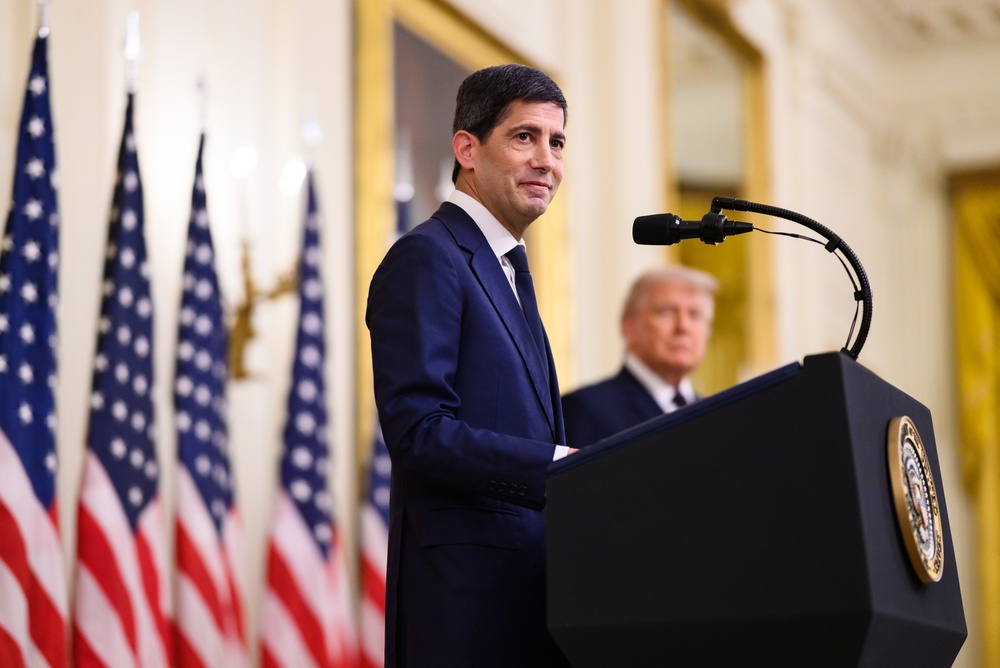
Federal Reserve Chair Kevin Warsh is facing early questions over his inflation-fighting credibility after the Fed left interest rates unchanged at its July meeting. Policymakers voted 9-3 to keep the federal funds rate in the 3.50%-3.75% range, but the decision highlighted a growing divide within the central bank, with three officials backing a rate hike.
Markets interpreted Warsh’s press conference as lacking a clear signal on what conditions would trigger further tightening. Investors reduced expectations for a near-term rate increase, while long-term Treasury yields moved higher, suggesting concerns that the Fed may need to act more aggressively later if inflation remains persistent.
Warsh emphasized that policy decisions will depend on incoming data rather than forward guidance, arguing that the Fed should respond to market and economic developments as they unfold. However, his reluctance to define what would prompt a rate hike left some investors and economists questioning whether the central bank has a clear strategy for returning inflation to its 2% target.
The reaction puts pressure on Warsh as he attempts to lead a divided Fed. With inflation still above target and some policymakers already calling for higher rates, upcoming economic data will be critical in determining whether the Fed moves toward additional tightening or maintains its current stance.