Forex traders often rely on indicators to find entries, confirm trends, and decide when to exit. But indicators are not the only way to read a chart. Price action trading takes a different approach: instead of adding more tools to the chart, traders focus on what price itself is doing.
A price action strategy without indicators Forex can help traders build a cleaner chart and make decisions based on market structure, support and resistance, and candlestick patterns. The goal is not to predict every move. It is to understand where buyers and sellers are active and react to what the market shows.

What Is Price Action Trading?
Price action trading means analyzing the movement of price without relying on technical indicators such as RSI, MACD, or moving averages.
The chart itself becomes the main source of information. Traders look at previous highs and lows, support and resistance, breakouts, pullbacks, and candlestick formations to build a trading setup.
For example, if EUR/USD repeatedly fails to break above a certain level, that area may be acting as resistance. If price later reaches the same zone and forms a strong bearish candle, a trader may see an opportunity to sell. The idea is simple: price leaves clues. The trader’s job is to read them.

Why Trade Forex Without Indicators?
Indicators can be useful, but they are calculated from price data. In many cases, they also react after the market has already moved. Trading without indicators can make the chart easier to read. Instead of watching several lines and signals, traders can focus on a few key questions:
- Where is the price now?
- What levels matter?
- Is the market making higher highs and higher lows?
- Are buyers or sellers in control?
- How is price reacting at important levels?
This approach can be especially useful for traders who prefer a clean chart and want to make decisions directly from market behavior.
The Basics of a Price Action Strategy
A good price action strategy does not have to be complicated. It can be built around three main elements: market structure, key levels, and price reaction.
1. Read Market Structure
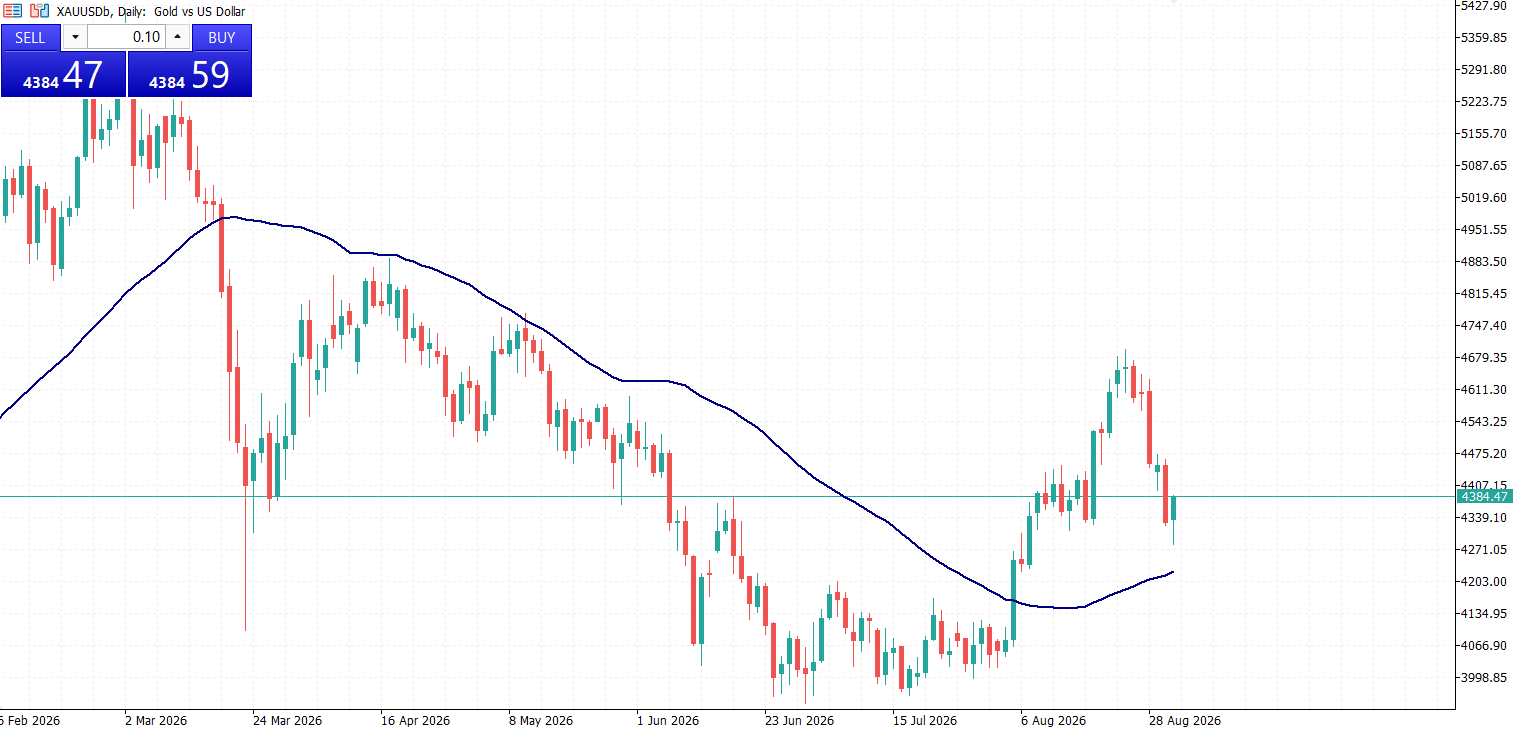
Start by identifying the direction of the market. An uptrend usually creates higher highs and higher lows. A downtrend tends to form lower highs and lower lows. When this pattern changes, it may signal that the market is losing momentum or preparing for a reversal.
Do not rush to label every small move as a trend. Focus on the larger swings that clearly stand out on the chart.
2. Mark Support and Resistance
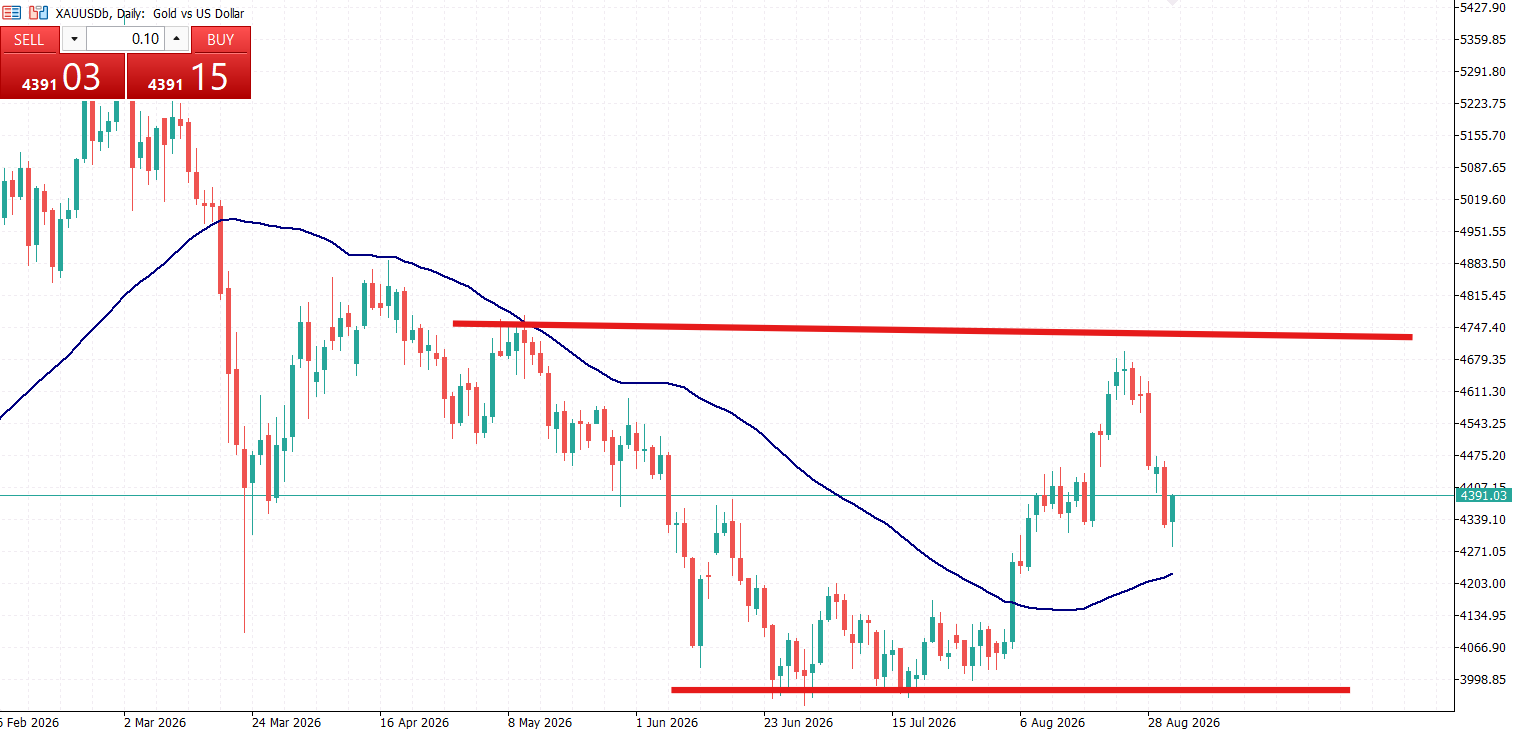
Support and resistance are central to price action trading without indicators. Support is an area where buying interest has appeared in the past. Resistance is where sellers have previously pushed price lower.
These levels do not need to be exact lines. Think of them as zones where the market may react. A strong setup can appear when price returns to one of these areas and shows a clear rejection.

3. Wait for Price Confirmation
Finding a level is only the first step. The next question is how price behaves when it gets there. A trader might wait for a rejection candle, a strong move away from the level, or a break of a recent high or low. This helps avoid entering simply because price has touched support or resistance. Patience matters. Sometimes the best trade is the one you do not take.
Popular Price Action Setups
There are several patterns traders commonly use without indicators.
Breakout Trading
A breakout occurs when price moves beyond an important support or resistance level. For example, if GBP/USD has tested resistance several times and finally closes above it, a trader may look for a long setup. Some traders enter immediately, while others wait for price to pull back and retest the broken level.
Breakouts can produce strong moves, but false breakouts are common. That is why confirmation and risk management are important.

Pullback Trading
A pullback strategy focuses on entering after a temporary move against the main trend. Imagine USD/JPY is making higher highs and higher lows. Price then falls back toward a previous support area. If buyers step in and price starts moving higher again, the pullback may offer a potential entry. The key is to trade with the broader structure rather than chase every move.
Candlestick Reversals
Candlesticks can provide additional clues about buying and selling pressure. A long wick near resistance may show that buyers pushed price higher but failed to hold those gains. A strong bullish candle near support may suggest that buyers are stepping back in. One candle is rarely enough on its own. Its location and the surrounding market structure matter much more.

Common Mistakes to Avoid
One of the biggest mistakes in indicator-free trading is seeing patterns everywhere. A trader may find a “breakout” on almost every chart if they look hard enough. Another common mistake is entering at support or resistance without waiting to see how price reacts.
Overtrading is another trap. A clean chart does not mean every price movement is a trading opportunity. Finally, do not confuse simplicity with certainty. Price action strategy without indicators Forex can provide a clear framework, but it cannot eliminate risk or predict the future.

Final Thoughts
A price action strategy without indicators puts the focus where it belongs: on price, market structure, and the behavior of buyers and sellers.
You do not need a chart filled with indicators to find a trading setup. Start with the bigger picture, mark the important levels, wait for price to show its hand, and manage risk carefully. The market will always have another setup. There is no need to force one.