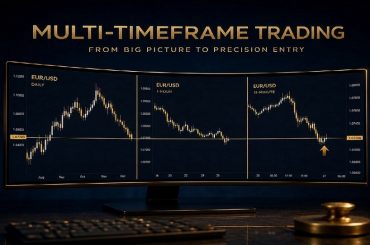
Patience is one of the most important skills a trader can develop. It’s easy to stay focused when the market is moving and opportunities seem to appear everywhere. The real challenge is knowing when to sit on your hands and wait.
If you’ve ever entered a trade too early, chased a sudden price move, or taken a position simply because you wanted to do something, you’re not alone. These are common mistakes, especially for beginners.
The good news? Patience isn’t something you’re born with. It’s a skill you can build with the right habits, a clear trading plan, and realistic expectations.

Why Is It So Hard to Wait for a Trade Setup?
Financial markets move constantly, but not every price movement offers a good trading opportunity. Still, traders often feel pressure to act. Several factors can make waiting difficult:
- Fear of missing out (FOMO). You see an asset moving quickly and worry that the opportunity will disappear before you can enter.
- Overtrading. You feel that spending more time in the market should lead to better results, so you take trades that don’t meet your criteria.
- Impatience after a loss. You want to recover lost money quickly and start looking for the next opportunity before you’re ready.
- Boredom. Watching charts for hours can make even a weak setup look attractive.
Recognizing these triggers is the first step toward managing them. Instead of reacting to every move, focus on whether the market is offering a setup that fits your strategy.
1. Build a Trading Plan Before You Open the Charts
A clear trading plan makes it easier to decide when to act and when to wait. Without one, you may end up making decisions based on emotions, recent price movements, or whatever catches your attention.
Before entering a trade, define your criteria. These might include the market trend, key support and resistance levels, confirmation signals, and acceptable risk.
For example, you might decide to enter a trade only when the price reaches a specific zone and shows confirmation that supports your idea. If the price moves before those conditions are met, let it go.
The goal isn’t to catch every move. It’s to follow a repeatable process and take trades that meet your criteria.

2. Learn to Recognize High-Quality Setups
Not all trading opportunities are equally attractive. A strong setup aligns with your strategy and offers a reasonable balance between potential reward and risk. Depending on your approach, you might look for:
- A clear trend or well-defined trading range.
- Price reaching an important support or resistance level.
- Confirmation from price action or selected technical indicators.
- A logical entry point and a clearly defined exit plan.
Avoid adding more indicators just to find a reason to trade. Too many signals can make decisions more confusing rather than more reliable. It also helps to accept that a setup may never appear.
3. Set Alerts Instead of Watching Every Price Move
Constantly staring at charts can drain your focus and increase the temptation to enter impulsively. Fortunately, you don’t need to monitor every tick to stay prepared.
Use price alerts to notify you when an asset approaches a level that matters to your strategy. You can then return to the chart and check whether your entry conditions are developing.
This approach helps you spend less time reacting to random price fluctuations and more time making deliberate decisions.
It also gives you room for other activities, which can make trading feel less stressful and easier to manage over time.

4. Accept That You’ll Miss Some Opportunities
One of the hardest lessons in trading is learning to let a move go. Sometimes, the price takes off before your setup is complete. Other times, you hesitate, and the opportunity disappears. That doesn’t mean you need to chase it.
Entering late can leave you with a worse entry price, less favorable risk-to-reward potential, or a stop-loss level that no longer makes sense.
Instead, remind yourself that markets offer new opportunities over time, although none are guaranteed. Your job is not to catch every move. It’s to wait for opportunities that fit your plan.

5. Manage Your Emotions After Wins and Losses
Your emotional state can influence how patiently you trade. After a loss, you may feel an urge to recover your money immediately. After a win, you might become overconfident and start taking risks you would normally avoid.
Both reactions can lead to poor decisions.
To stay disciplined, establish a routine for reviewing trades. If you feel frustrated, anxious, or unusually excited, take a break before making another decision. You can also set limits on how many trades you take in a session or how much you’re willing to risk.
Remember that a single trade doesn’t define your performance. What matters is how consistently you follow your process over a series of trades.

Final Thoughts
Learning how to stay patient while waiting for trade setups takes time. You may still feel the urge to enter early or chase a fast-moving market, especially when emotions run high.
The key is to build habits that support disciplined trading: follow a clear plan, define your entry criteria, use price alerts, and accept that some opportunities will pass you by.
Most importantly, judge your decisions by whether they follow your strategy, not by whether every trade makes money. Patience won’t guarantee profits, but it can help you avoid impulsive trades and make more consistent decisions.