The European Central Bank raised its deposit rate by 25 basis points to 2.5%, as a fresh energy shock pushes inflation higher across the euro zone.


The European Central Bank raised its deposit rate by 25 basis points to 2.5%, as a fresh energy shock pushes inflation higher across the euro zone.
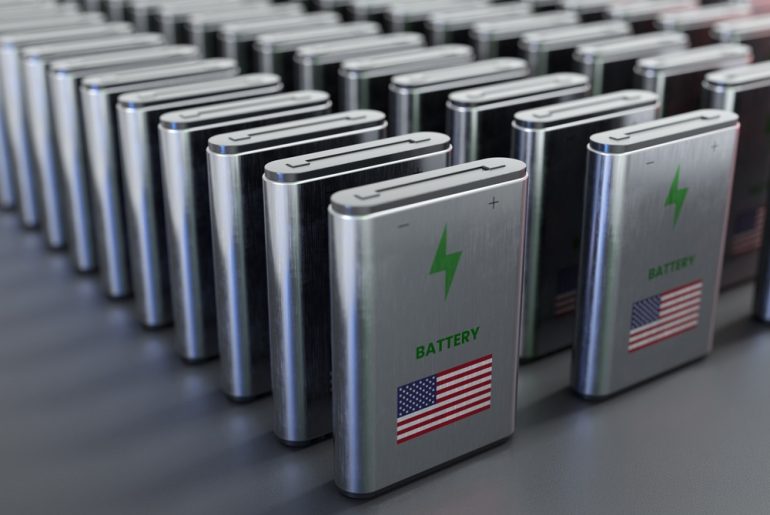
The Trump administration is trying to reduce the U.S. battery industry’s reliance on China, but catching up will take far more than government funding.

U.S. stocks moved higher on Thursday as Treasury yields pulled back and investors reassessed the odds of a Federal Reserve rate hike this month.
Kansas City Fed President Jeffrey Schmid said inflation remains too high and “sticky,” signaling that policymakers still have work to do despite uncertainty over the next move in interest rates.

Gold is holding near a more-than-three-month high, supported by a weaker U.S. dollar and plans by the U.S. Treasury to buy back longer-dated government bonds.

Bitcoin and ether surged after President Donald Trump urged Congress to pass the Clarity Act, boosting hopes for a more favorable regulatory backdrop for the crypto industry.
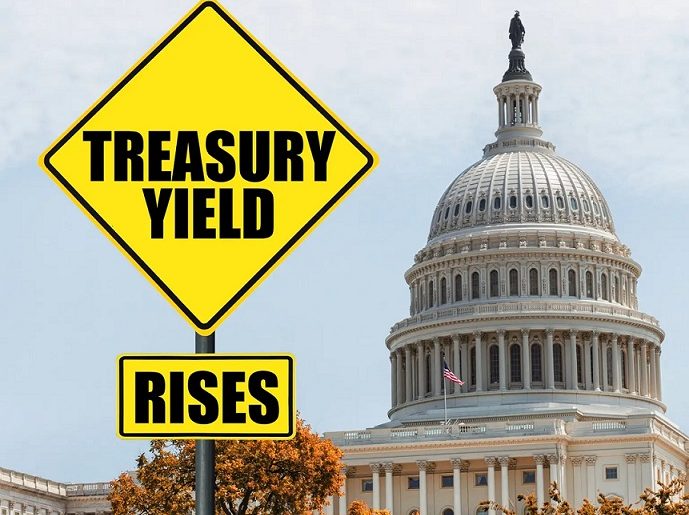
The 30-year Treasury yield climbed to 5.31%, its highest level since 2007, as investors continued to demand more compensation for holding long-term U.S. debt.

US producer prices were unchanged in July, falling short of the 0.2% increase economists had expected.
U.S. Treasury yields were little changed on Tuesday as investors awaited fresh inflation data and monitored developments in the Middle East.

Asian technology stocks fell Thursday as investors took profits in major AI-related names after a pullback in U.S. tech shares overnight.