
Financial markets do not trend all the time. In fact, many currency pairs spend a large portion of their time moving sideways rather than making strong upward or downward moves. For traders, this creates an opportunity to profit from repeated price swings instead of chasing trends. A well-planned range trading strategy can help identify these opportunities and manage risk effectively.
What Is a Range Trading Strategy?
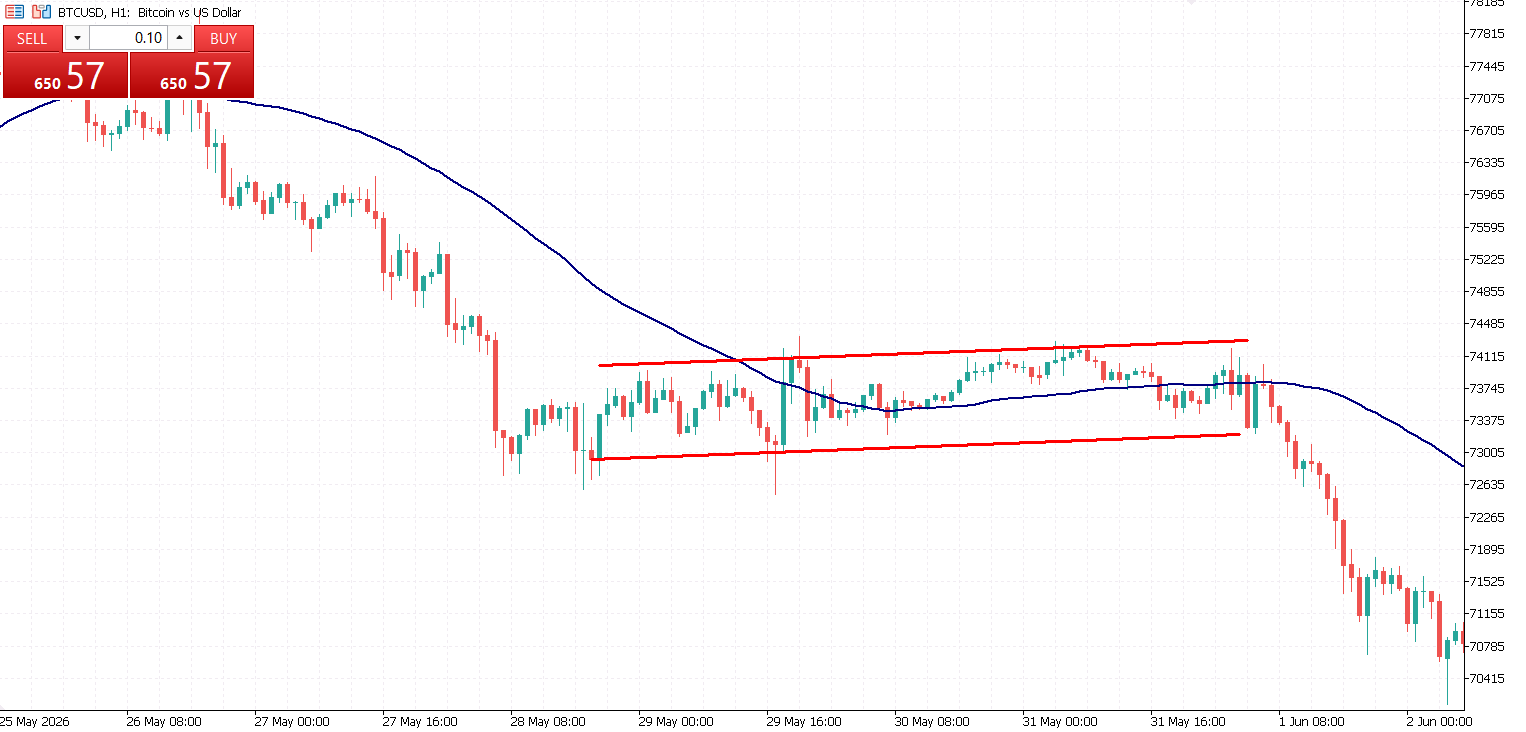
A range trading strategy is a trading approach designed for markets that move within a defined price range. Instead of looking for breakouts, traders buy near support and sell near resistance, expecting the price to remain inside the range.
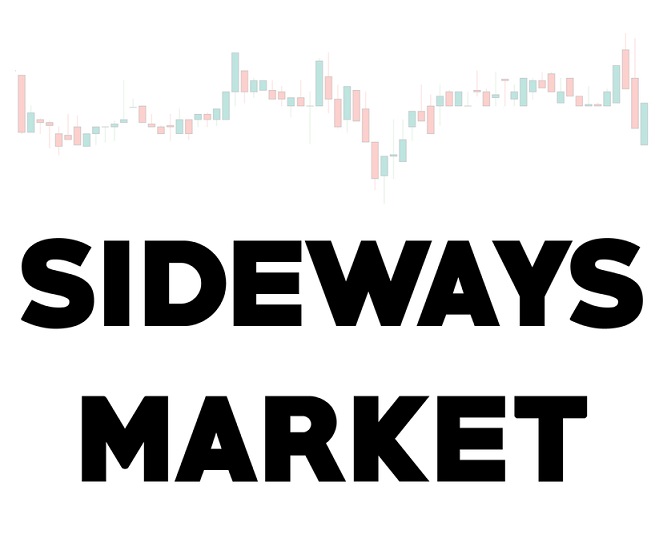
This type of strategy is especially popular in the sideways markets, where buyers and sellers are evenly matched and neither side has enough momentum to establish a trend.
How to Identify a Sideways Market
Before placing a trade, it is important to confirm that the market is actually ranging. A few common signs include:
- Price repeatedly bounces between support and resistance.
- Highs and lows remain relatively flat.
- Trend indicators, such as moving averages, flatten out.
- Momentum indicators like RSI often fluctuate between 30 and 70 without remaining in overbought or oversold territory.
Patience is key. Trying to force a range trade during a strong trend is like trying to catch a falling knife, it rarely ends well.
Best Indicators for Range Trading
Several technical tools can improve the accuracy of a range trading strategy.
- RSI (Relative Strength Index) helps identify overbought and oversold conditions inside a trading range.
- Bollinger Bands highlight periods when price reaches the upper or lower edge of its normal range.
- Stochastic Oscillator can confirm potential reversals near support and resistance.
- Average True Range (ATR) measures volatility and helps traders avoid unusually volatile conditions that often precede breakouts.
No indicator is perfect on its own. Combining multiple signals usually produces more reliable trade setups.

How to Trade a Sideways Market
The basic idea is simple:
- Buy near support after signs of a bullish reversal.
- Sell near resistance after bearish confirmation.
- Place stop-loss orders just outside the range.
- Take profit before price reaches the opposite boundary instead of trying to capture every last pip.
Many experienced traders follow the saying, “Take the middle of the move and leave the rest for someone else.” Consistency often beats chasing perfect entries and exits.
Risk Management Matters
Even the strongest trading range eventually comes to an end. A surprise economic report, central bank decision, or geopolitical event can quickly turn a quiet market into a breakout. To reduce risk:
- Trade smaller position sizes
- Never risk more than 1-2% of your account on a single trade
- Always use stop-loss orders
- Check the economic calendar before opening new positions
Protecting capital is just as important as finding profitable trades.
Common Range Trading Mistakes
Many beginners struggle with range trading because they make avoidable mistakes:
- Trading before support or resistance is confirmed
- Ignoring upcoming economic news
- Moving stop-loss orders after entering a trade
- Mistaking the start of a breakout for another range reversal
- Overtrading every small price movement
Successful traders understand that not every bounce is worth trading.

When Range Trading Doesn’t Work
A range trading strategy performs best in calm market conditions. It becomes much less effective when strong trends develop after major events such as interest rate announcements, Non-Farm Payrolls (NFP), or unexpected geopolitical news.
If volatility suddenly increases and price breaks through support or resistance with strong momentum, it is often better to step aside and wait for a new market structure to develop rather than fight the trend.

Conclusion
A range trading strategy can be an effective approach for navigating sideways markets. By identifying key support and resistance levels, waiting for confirmation, and applying disciplined risk management, traders can take advantage of predictable price movements without relying on strong market trends.
Like any trading approach, success comes from consistency and discipline rather than trying to catch every move. The goal is to focus on high-quality setups, protect capital, and build a process that creates opportunities over the long term.