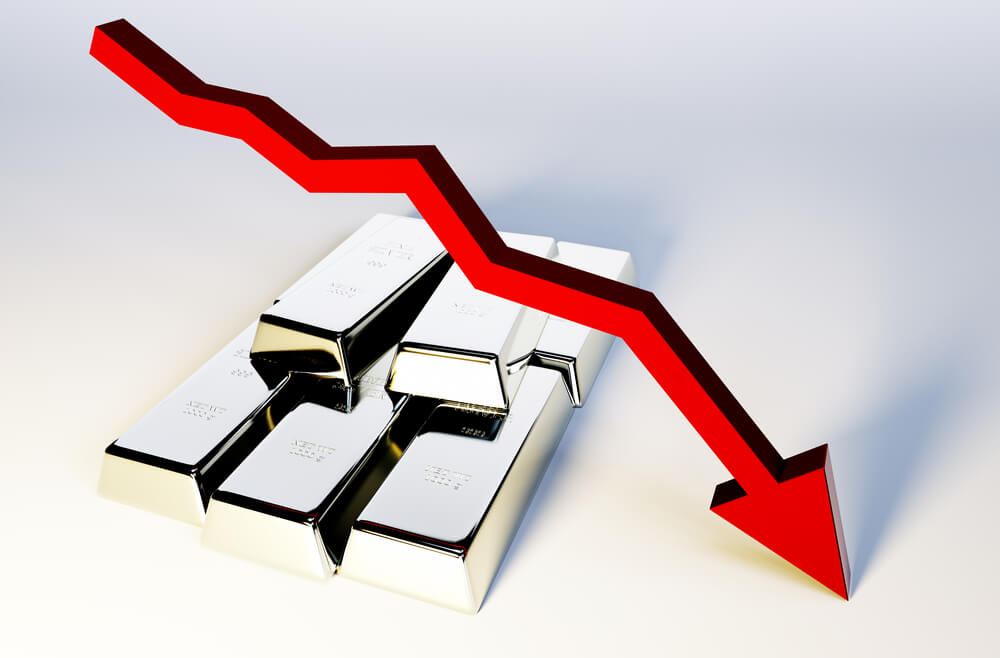
Silver prices remain under pressure as analysts warn that last year’s explosive rally may now be hurting industrial demand for the metal. After surging more than 140% in 2025, silver has become increasingly expensive for manufacturers across several sectors, raising concerns about demand destruction and additional downside risks.
Unlike gold, silver has broad industrial applications in products such as solar panels, electronics, automobiles, and mobile devices. Because of this, the metal is more closely tied to the global economic cycle and manufacturing activity. Analysts at UBS say elevated prices are beginning to reduce purchasing activity among industrial buyers, a trend that could continue if prices remain near current levels.
Silver also lacks the strong support gold receives from central bank buying. According to analysts, this leaves the metal more vulnerable to shifts in investor sentiment and changes in industrial demand. While prices recovered somewhat after the sharp collapse earlier this year, silver continues to trade well below its record highs reached in January.
Several major banks, including HSBC and Macquarie, remain cautious on the outlook. Analysts argue that silver is still fundamentally overvalued and could face further volatility in the months ahead, especially if global economic conditions weaken or expectations for higher U.S. interest rates continue to rise.