Inflation is one of the most influential economic factors in the foreign exchange market. It affects purchasing power, central bank policies, interest rates, and investor sentiment, all of which directly influence currency values.
Forex traders closely monitor inflation data because even small deviations from expectations can trigger significant price movements. Understanding how inflation impacts currency pairs allows traders to develop more effective strategies, manage risk, and identify profitable opportunities in changing market conditions.
Understanding the Relationship Between Inflation and Currency Values
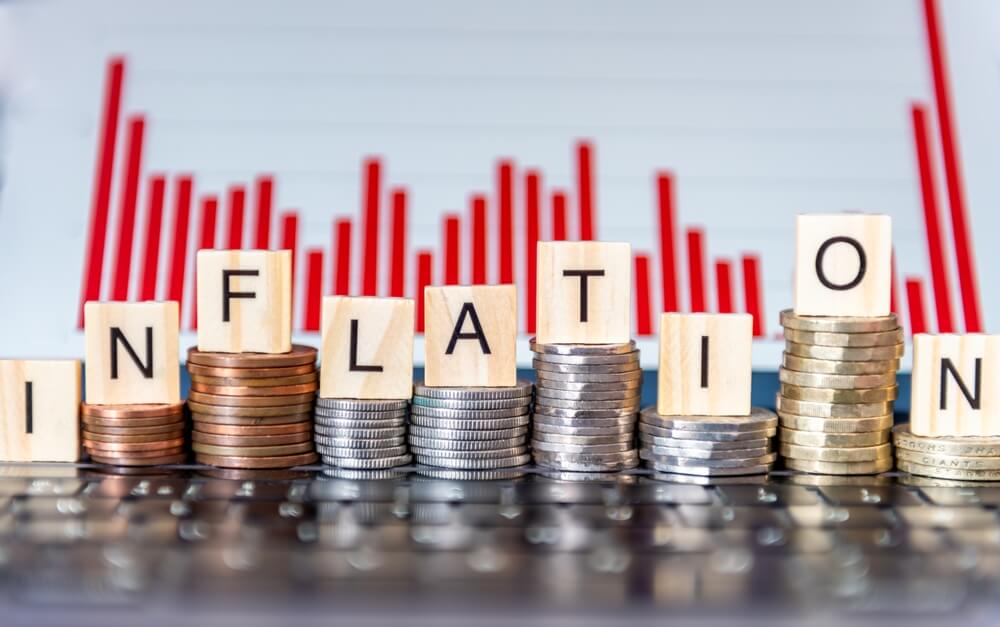
Inflation measures the rate at which the general price level of goods and services increases over time. In most developed economies, central banks aim to maintain a moderate inflation rate that supports economic growth without causing instability.
When inflation rises above target levels, central banks often respond by increasing interest rates. Higher interest rates can attract foreign capital because investors seek better returns on deposits and fixed-income assets. As demand for a currency increases, its value may appreciate against other currencies.
However, the relationship is not always straightforward. Extremely high inflation can weaken confidence in an economy, leading to currency depreciation despite higher interest rates. Traders must therefore evaluate inflation data within the broader economic context, including employment, GDP growth, and central bank guidance.

How Inflation Reports Influence Forex Markets
Major inflation indicators, such as the Consumer Price Index (CPI) and Producer Price Index (PPI), are closely watched by market participants. These reports often generate significant volatility immediately after release. Several factors determine market reaction:
- Actual inflation figures compared to forecasts
- Central bank policy expectations
- Current economic conditions
- Investor confidence and risk appetite
- Inflation trends over several months
For example, if U.S. CPI data comes in higher than expected, traders may anticipate tighter monetary policy from the Federal Reserve. This expectation can strengthen the U.S. dollar against major currencies such as the euro, British pound, or Japanese yen.
Conversely, weaker-than-expected inflation data may suggest a slower pace of interest rate increases or potential rate cuts, leading to dollar weakness.
Forex Trading Strategies During Inflationary Periods
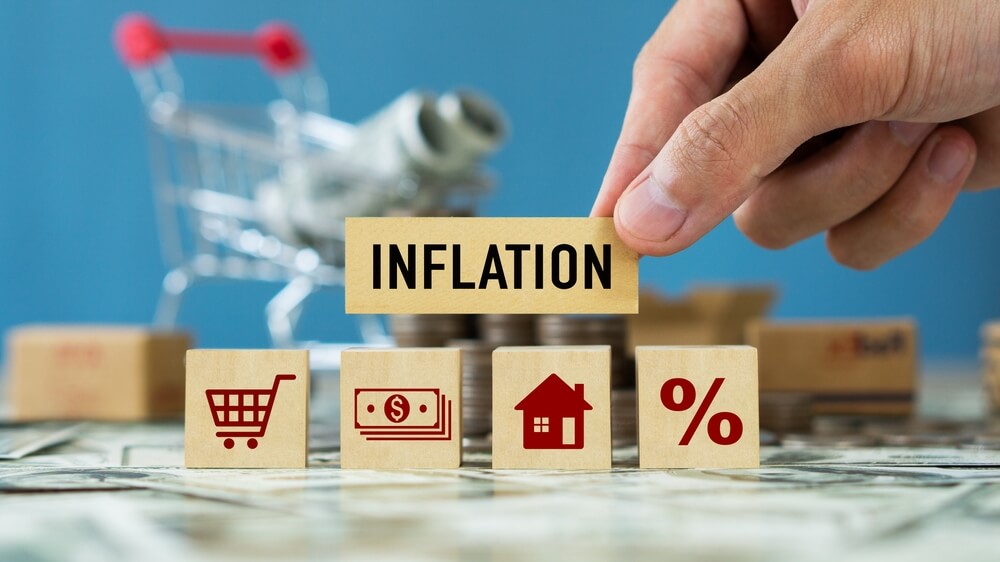
Successful traders adapt their strategies according to inflation trends and central bank responses. Different market environments require different approaches to risk management and trade execution.
Interest Rate Differential Strategy
One of the most common approaches involves trading currencies based on expected interest rate differences. When inflation pressures increase in one country, traders often anticipate higher interest rates and position themselves accordingly.
Currencies associated with tightening monetary policy frequently outperform currencies from economies maintaining lower rates. Monitoring inflation reports alongside central bank statements helps traders identify potential opportunities before major market moves occur.
News Trading Strategy
Inflation announcements create short-term volatility that can be attractive for active traders. News traders prepare by studying market expectations and identifying key support and resistance levels before the release. Important considerations include:
- Reviewing economic calendars for inflation announcements
- Monitoring analyst forecasts and consensus estimates
- Setting predefined entry and exit points
- Using stop-loss orders to manage sudden volatility
- Avoiding excessive leverage during major news events
Because price swings can be unpredictable, disciplined risk management is essential when trading inflation-related news.
Trend Following During Inflation Cycles
Inflation trends often develop over months rather than weeks. As central banks adjust monetary policy, currency markets may establish long-term directional trends.
Trend-following traders look for confirmation through technical indicators such as moving averages, trendlines, and momentum oscillators. Combining technical analysis with inflation data can provide stronger trade signals than relying on either approach alone.
For instance, a currency supported by persistent inflation and rising interest rates may remain in an uptrend for an extended period. Traders who identify these macroeconomic trends early can potentially benefit from sustained market movements.
Safe-Haven Currency Strategy
Periods of elevated inflation sometimes increase uncertainty in global financial markets. During such times, investors may seek safer assets and currencies.
Historically, currencies such as the U.S. dollar, Swiss franc, and Japanese yen often attract capital during periods of economic uncertainty. Traders can monitor inflation-related developments and shifts in risk sentiment to identify opportunities involving safe-haven currencies.
Risk Management Considerations
Inflation-driven market movements can be rapid and unpredictable. Effective risk management remains critical regardless of the strategy used.
Key principles include maintaining appropriate position sizes, diversifying exposure, and using protective stop-loss orders. Traders should also avoid making decisions based solely on a single inflation report. Market expectations, central bank communication, and broader economic conditions all contribute to currency performance.
Another important factor is liquidity. Major inflation releases can cause temporary spreads to widen, increasing transaction costs and potentially affecting trade execution. Understanding these market dynamics helps traders avoid unnecessary risks.
Conclusion
Inflation plays a central role in shaping forex market behavior. By influencing interest rates, monetary policy decisions, and investor expectations, inflation can create both opportunities and challenges for traders. Successful forex participants analyze inflation data alongside broader economic indicators and adapt their strategies to changing market conditions.
Whether using news trading, trend-following techniques, interest rate analysis, or safe-haven strategies, traders who understand the impact of inflation are better positioned to navigate market volatility and make informed trading decisions.