Consistency is one of the biggest challenges in trading. Most traders know how to spot a good setup, read a chart, or identify a trend. The real difficulty is doing it well over and over again, especially after a losing trade or during a period when the market refuses to cooperate.
The truth is that consistent trading is not about winning every trade. It’s about following a clear process, managing risk, and making decisions based on a strategy rather than emotions.
Here are seven habits that can help you become a more consistent trader.

1. Stick to a Trading Plan
Trading without a plan often leads to impulsive decisions. Before entering the market, know what you’re looking for, where you’ll enter, where you’ll exit, and how much you’re willing to risk.
Your plan doesn’t need to be complicated. It just needs to be clear enough to keep you from making decisions on the fly.
2. Manage Risk First
Even the best trading strategy will have losing trades. That’s why risk management should always come before profit targets.
Set a maximum risk per trade, use stop-loss orders, and avoid putting too much of your account on a single position. Many traders use 1–2% of their account as a general risk guideline, although the appropriate level depends on their strategy and financial situation.
Remember: protecting your capital gives you the opportunity to trade another day.

3. Stop Chasing the Market
Missed a move? Let it go. Entering a trade just because the price is already moving is one of the easiest ways to break your strategy.
There will always be another opportunity. Wait for your setup instead of chasing the market out of fear of missing out (FOMO).
4. Keep Your Emotions in Check
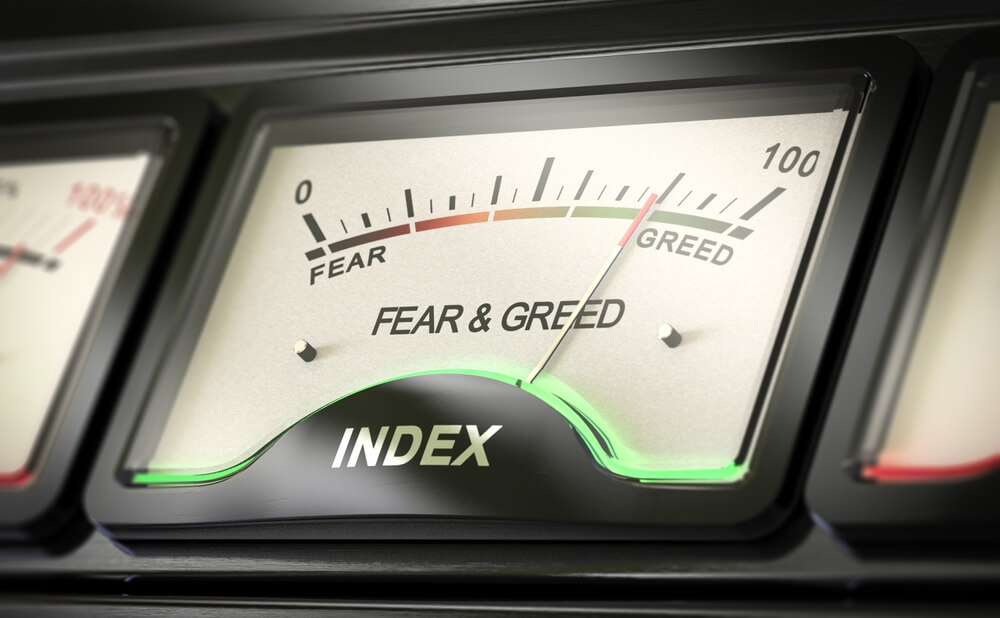
Fear and greed can turn a good trading plan into a series of bad decisions. After a loss, some traders rush into another position to recover their money. After a win, others become overconfident and start taking unnecessary risks.
Neither reaction helps in the long run. Learn to accept losses as part of trading and avoid making decisions when emotions take over.
5. Keep a Trading Journal
If you don’t track your trades, it’s difficult to know what’s working and what isn’t.
Record your entry and exit points, the reason behind each trade, your risk-to-reward ratio, and how well you followed your plan. Review your results regularly to identify recurring mistakes and patterns in your performance.
The goal isn’t just to count winning and losing trades. It’s to understand your decision-making.
6. Focus on Quality, Not Quantity
More trades don’t necessarily mean more profits. In fact, overtrading can increase costs, expose you to unnecessary risk, and lead to emotional exhaustion.
Be selective. If the market doesn’t offer a setup that meets your criteria, staying out is also a trading decision.

7. Review Your Performance Regularly
Take time at the end of each week to evaluate your trading. Did you follow your plan? Did you respect your stop-loss levels? Were your entries based on clear signals or emotions?
Don’t judge your performance by one profitable or losing day. Look at a larger sample of trades and focus on whether you’re improving your process.
The Bottom Line
Trading consistency doesn’t come from finding a perfect indicator or predicting every market move. It comes from building habits that keep you disciplined when conditions get difficult.
You won’t win every trade, and you don’t need to. Focus on managing risk, following your strategy, and learning from your mistakes. Over time, it’s the quality of your decisions — not the number of trades you make — that can make the biggest difference.