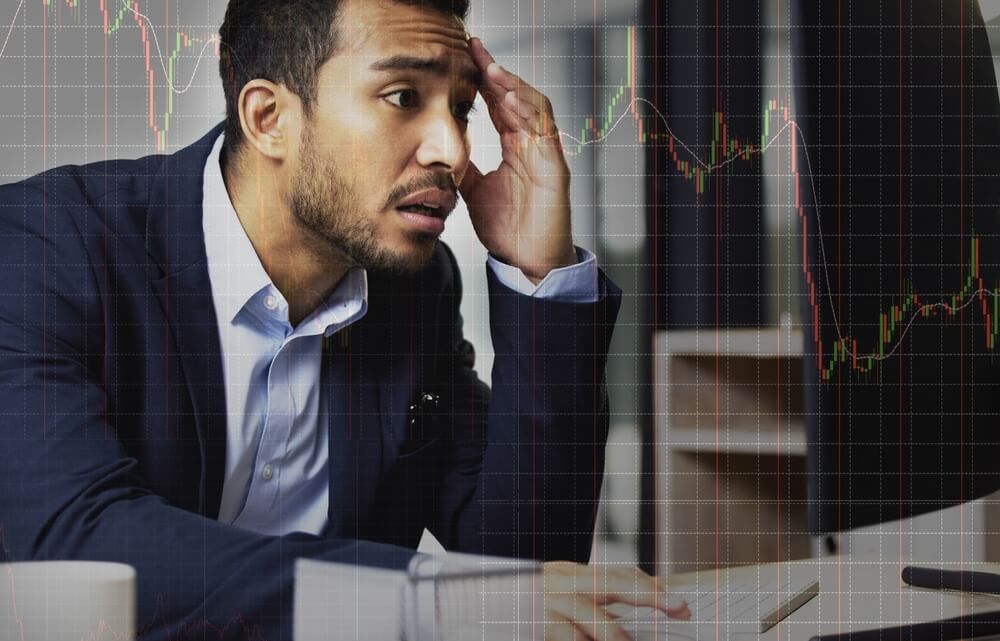
You open a trade, and everything looks fine. Then the price starts moving against you. You check your platform again. And again. Your heart rate goes up, your mind starts racing, and suddenly you’re thinking about closing the position just to make the stress go away.
Sound familiar?
Anxiety is a common part of trading, especially when real money is on the line. Even experienced traders can feel nervous when markets become volatile or a position moves into the red. The problem isn’t feeling anxious — it’s letting that anxiety make decisions for you.
Dealing with anxiety in trading positions is about learning to manage your reactions, stick to your trading plan, and make decisions based on facts rather than fear. Here’s how to do it.
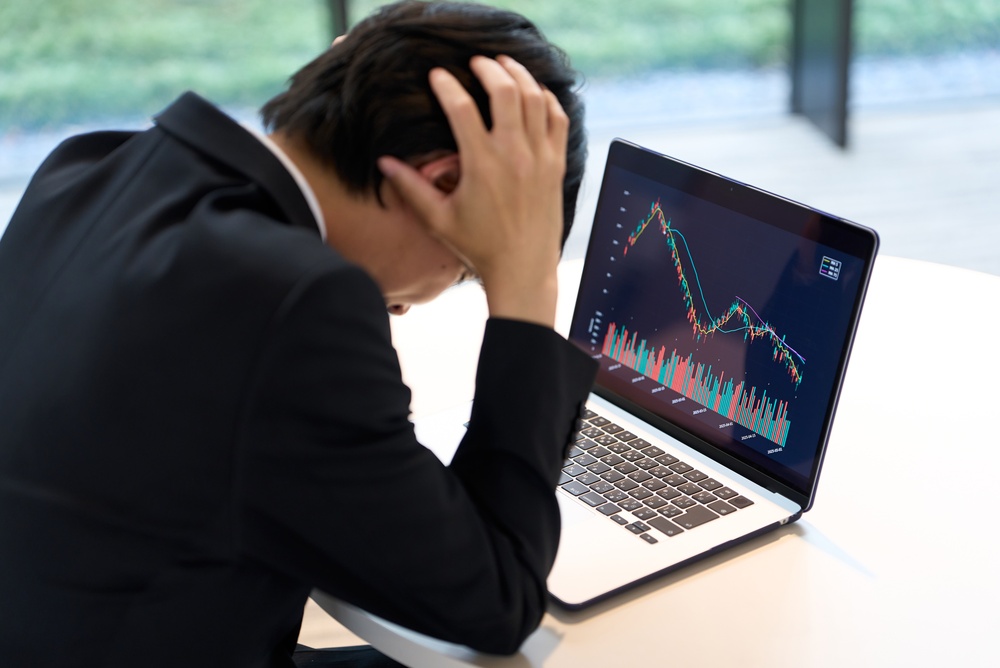
Why Do Traders Feel Anxious When Holding Positions?
Trading puts you in an uncomfortable situation: you have to make decisions under uncertainty. You never know exactly what the market will do next, and every open position carries some level of risk.
Several factors can make that uncertainty even harder to handle:
- Fear of losing money. Watching your account balance drop can trigger stress, even when the loss is within your planned risk limits.
- Fear of missing out (FOMO). You may worry about closing a position too early and missing a bigger move.
- Unrealistic expectations. Expecting every trade to be profitable makes normal market fluctuations feel like personal failures.
- Oversized positions. When you risk more than you can comfortably afford to lose, every price movement can feel overwhelming.
- Lack of preparation. Entering a trade without clear exit rules leaves you guessing what to do when the market moves unexpectedly.
Recognizing what’s behind your anxiety is the first step toward managing it. Sometimes the issue isn’t the market itself — it’s the amount of risk you’re taking or the lack of a clear plan.

1. Create a Trading Plan Before You Enter a Position
One of the best ways to reduce trading anxiety is to make important decisions before opening a trade. Your trading plan should define:
- Your entry conditions.
- Your stop-loss level.
- Your profit target or exit criteria.
- How much you’re willing to risk.
- The conditions that would invalidate your trading idea.
Why does this matter? Because once a position is open, emotions can make even simple decisions feel complicated. You might move your stop-loss farther away, close a trade too early, or hold a losing position because you hope the market will turn around.
Having rules in place gives you something objective to follow. Instead of asking, “What should I do now?” you can check whether the market is still behaving as your plan expected.
A trading plan won’t remove uncertainty, but it can make your response to it much more consistent.

2. Reduce Your Position Size to a Comfortable Level
If every small price movement makes you nervous, your position may simply be too large.
Risk management isn’t just about protecting your account. It’s also about making sure you can handle the emotional pressure of holding a trade.
For example, imagine you’re trading with a $5,000 account. A potential $300 loss might be financially manageable for one trader but extremely stressful for another. The right position size depends not only on your account balance but also on your experience, financial situation, and risk tolerance.
Consider reducing your exposure if you find yourself constantly checking prices, struggling to sleep, or feeling compelled to close positions out of fear.
A useful rule is to decide how much you’re willing to lose before entering a trade — and never risk money you can’t afford to lose. Smaller positions may not produce dramatic gains, but they can help you stay focused and follow your strategy.
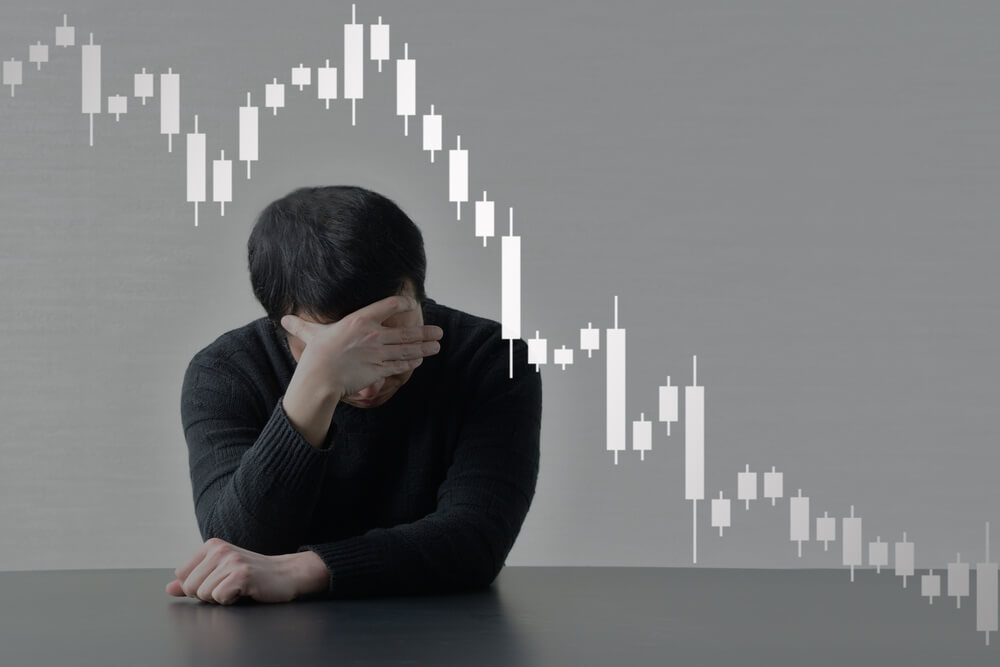
3. Stop Watching Every Price Movement
Constantly checking your trading platform can make anxiety worse. Every minor fluctuation starts to feel important, even when it doesn’t change the overall trading setup.
This is especially common among beginners and traders who use short-term strategies without a clear monitoring routine.
Instead, decide in advance how often you need to check your positions. If you’re swing trading, watching every tick probably won’t improve your decisions. If you’re day trading, focus on the timeframes and signals that are actually part of your strategy.
You can also set price alerts to notify you when the market reaches important levels. This way, you don’t have to stare at charts all day.
Remember: being constantly connected to the market doesn’t necessarily make you a better trader. Sometimes stepping away is the smarter move.
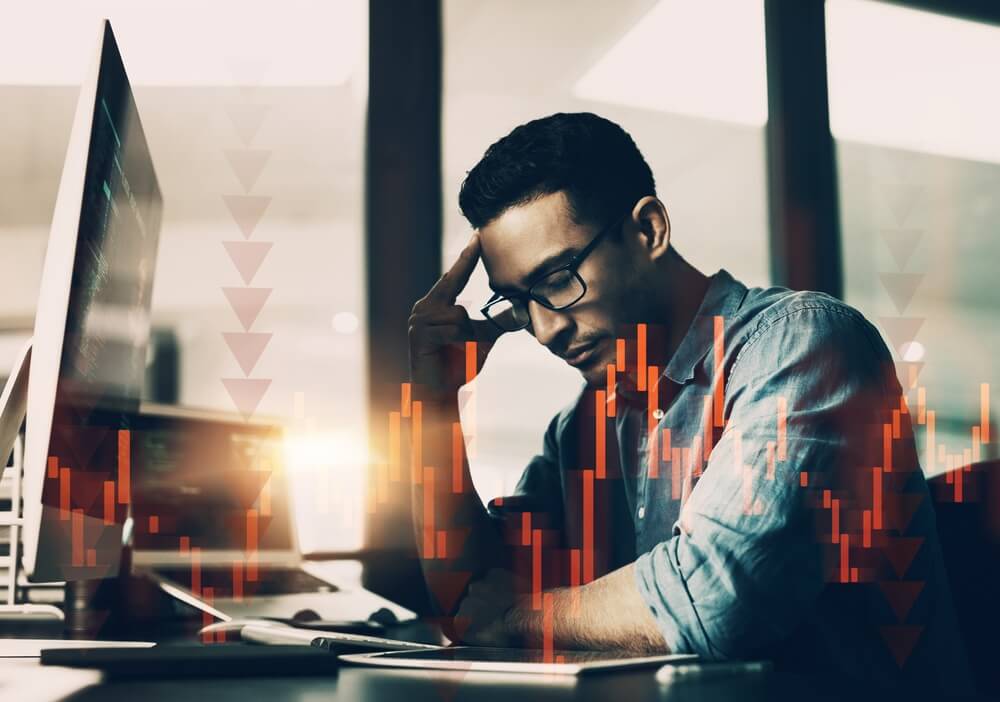
4. Learn to Accept Losses as Part of Trading
One of the biggest sources of anxiety is the belief that a losing trade means you’ve made a mistake.
But even well-researched trades can go wrong. Markets react to new information, economic releases, unexpected events, and changes in sentiment. No strategy wins every time.
The goal isn’t to avoid all losses. It’s to keep them within acceptable limits and make sure your overall approach has a reasonable chance of working over time.
Try to evaluate trades based on whether you followed your rules, not just whether you made money.
A losing trade that followed your plan may be a perfectly valid trading decision. On the other hand, a profitable trade based on an impulsive decision doesn’t automatically mean you did everything right.
Changing how you think about losses can make it easier to stay objective and avoid emotional reactions.
Final Thoughts
Dealing with anxiety takes practice. You won’t become completely emotionless, and you don’t need to. The goal is to prevent fear, frustration, or excitement from taking control of your decisions.
Build a clear trading plan, manage your position sizes, accept that losses are part of the process, and give yourself time away from the charts. Most importantly, judge your progress by the quality of your decisions, not by the outcome of a single trade.
A calmer trader isn’t someone who never feels pressure. It’s someone who knows how to handle it without abandoning their strategy.