Most traders don’t fail because they can’t read a chart. They fail because they can’t manage what happens between their ears when money is on the line.
You can have a solid strategy, understand technical analysis, and know exactly where to enter a trade. But when the market moves against you, fear takes over. When you’re in profit, greed starts whispering. And when you take a loss, the urge to win it back can turn one bad trade into a terrible day.
Trading is a battle between what you know you should do and what you feel compelled to do. Understanding that difference is where real progress begins.

1. Fear Makes You Hesitate
You’ve done your analysis. Your setup is there. The entry is clear. But you hesitate. What if the trade fails? What if you lose money again? What if the market reverses the moment you enter?
So you wait. The price moves without you, and suddenly you’re chasing a trade you were too afraid to take at the right time. Fear doesn’t always make traders exit too early. Sometimes it keeps them from entering at all.
The solution isn’t to eliminate fear. It’s to build a process you trust enough to follow even when you’re uncomfortable. Define your entry, stop-loss, and risk before placing the trade. When the setup meets your criteria, let the plan make the decision.

2. Greed Turns Winners Into Losers
You’re up 2%. Your target is almost there, but you start thinking about how much more you could make.
You move your take-profit higher. Then higher again. The market reverses, and a profitable trade turns into a loss.
Sound familiar?
Greed often disguises itself as confidence. You tell yourself the trend has more room to run, that this time is different, or that closing now means leaving money on the table.
But successful trading isn’t about squeezing every last dollar out of every move. It’s about executing a repeatable strategy over hundreds of trades.
A good trade is one that follows your plan — not necessarily the one that makes the most money.
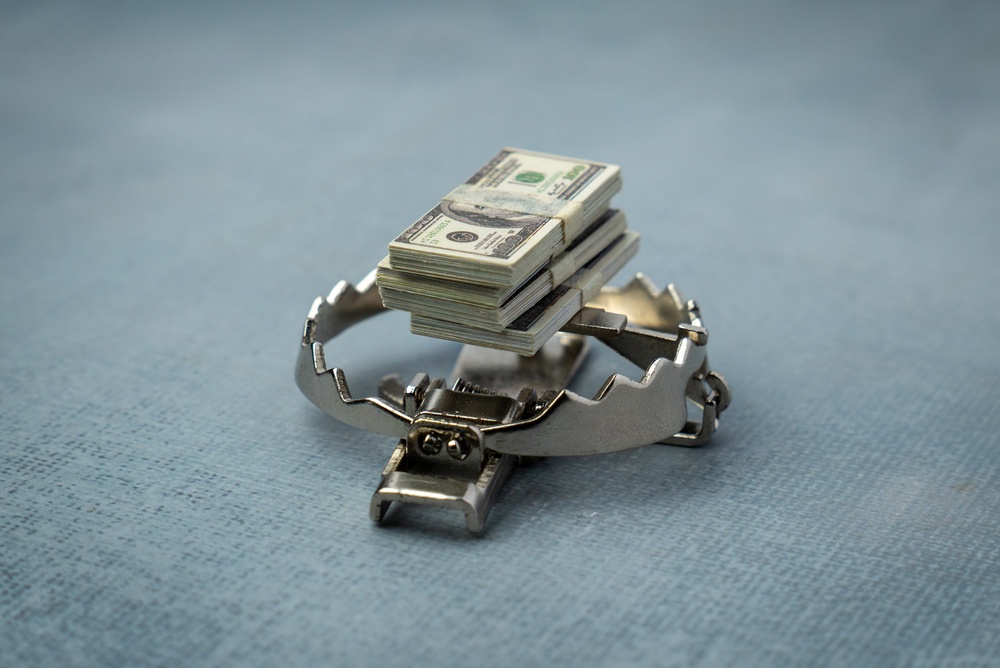
3. Revenge Trading Makes Everything Worse
Few things are more frustrating than taking a loss, especially when you feel you were right about the market. Your first instinct is to get the money back.
You increase your position size. You take a setup you’d normally ignore. You enter without waiting for confirmation because you can’t stand the thought of ending the day in the red.
Now you’re no longer trading the market. You’re trading your emotions.
This is revenge trading, and it can destroy an account faster than a bad strategy ever could.
The fix is simple, but not always easy: set a daily loss limit, define a maximum number of trades, and walk away when you hit either threshold. You don’t owe the market another trade. And you don’t have to recover a loss today.
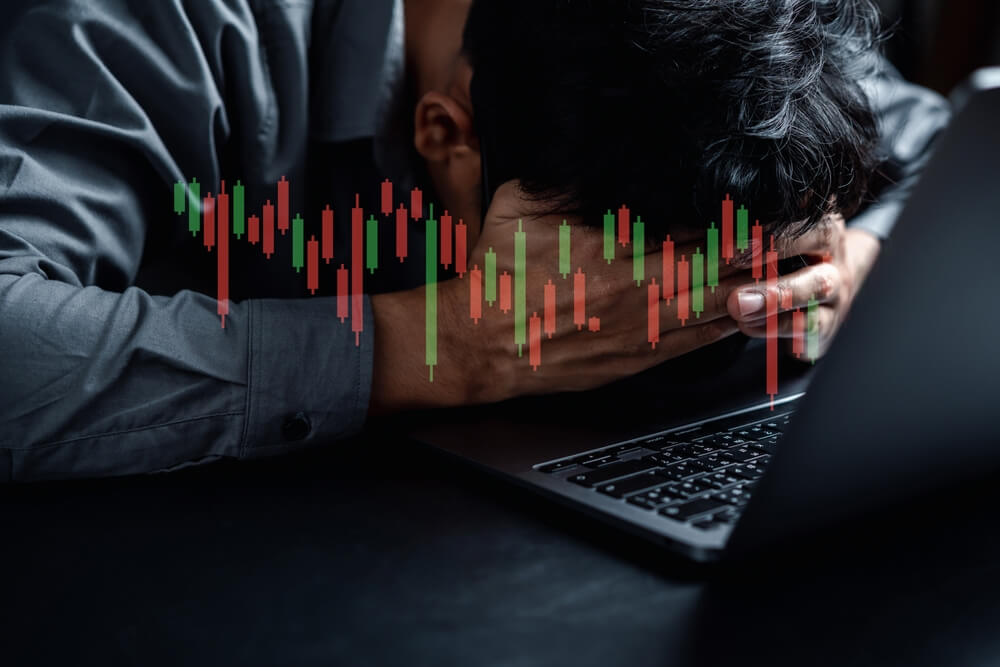
4. Overconfidence Is Just as Dangerous as Fear
After a winning streak, it’s easy to feel unstoppable. Your analysis seems sharper. Your timing feels perfect. Rules that once protected you suddenly look unnecessary.
You start risking more because you believe you’ve figured it out. Then the market reminds you that probability doesn’t care about your confidence.
Even a profitable strategy will have losing streaks. A few wins don’t prove you’re a genius, just as a few losses don’t mean your strategy is broken.
Stay consistent with position sizing. Judge performance over a meaningful sample of trades, not a handful of recent results. Confidence should come from following a process—not from believing you can’t be wrong.

5. Why Knowing Better Isn’t Enough
Here’s the frustrating part: most struggling traders already know the rules. They know not to move their stop-loss. They know not to overtrade. They know to manage risk. Yet they break those rules anyway.
Why? Because knowing something intellectually is different from being able to do it under pressure. When real money is involved, every decision carries emotional weight. The brain starts looking for immediate relief instead of long-term results.
That’s why discipline isn’t just about willpower. It’s about building a system that makes bad decisions harder to execute.
Use predefined risk limits. Keep a trading journal. Record not only your entries and exits, but also what you felt when making each decision. Review whether you followed your rules, regardless of whether the trade was profitable.
Over time, you’ll start noticing patterns: the setups you chase, the losses you struggle to accept, and the moments when confidence turns into recklessness. Those patterns are where the real work begins.

6. The Mindset That Separates Consistent Traders
Consistent traders don’t win every trade. They don’t predict every reversal or avoid every mistake. They accept uncertainty.
They understand that a losing trade can be a good trade if it followed the plan, and a winning trade can be a bad one if it relied on reckless risk.
They focus on what they can control: execution, risk, patience, and consistency.
Most importantly, they stop treating every trade as a verdict on their intelligence or ability. One trade is just one outcome in a long series of probabilities.
The goal isn’t to feel nothing. It’s to stop letting every feeling dictate your next move.

Conclusion
Traders often fail not because they lack knowledge, but because their emotions interfere with their decisions. Fear creates hesitation. Greed encourages overtrading. Revenge turns losses into bigger losses. And overconfidence makes risk feel smaller than it really is.
You don’t need to become a machine to trade well. You need a process that holds up when your emotions don’t.
Because in the long run, the edge isn’t just in finding the right trade. It’s in having the discipline to execute your strategy when every instinct tells you to do something else.