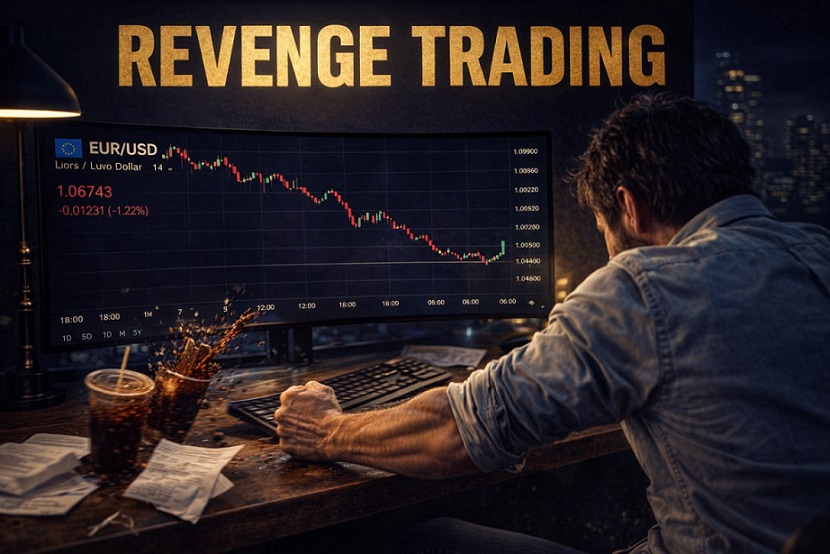
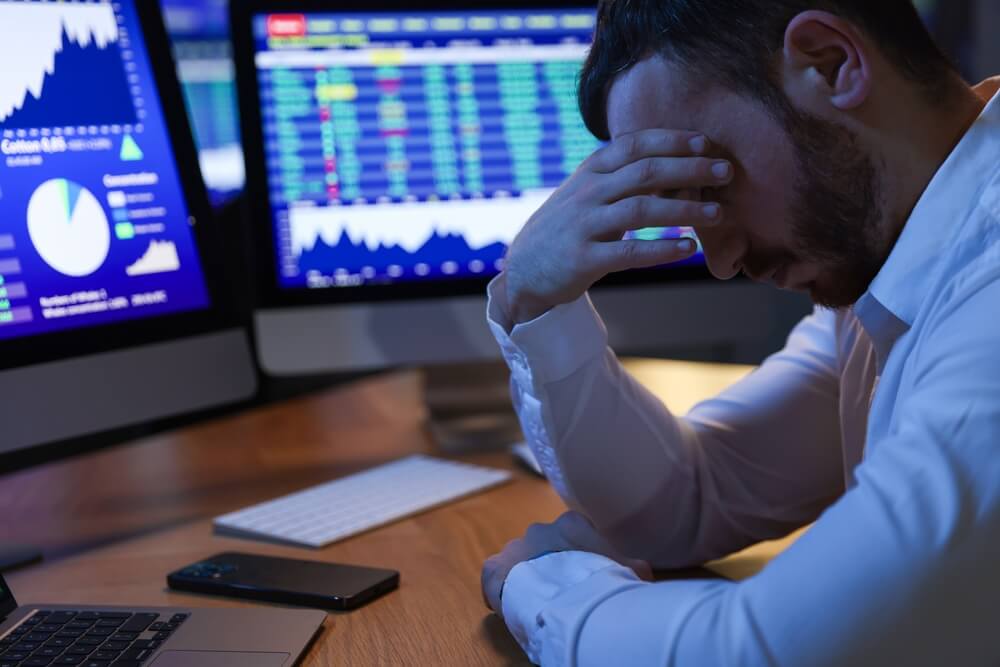
Revenge trading is one of the most destructive habits a trader can develop. It occurs when someone tries to recover losses quickly by opening additional positions, increasing position sizes, or abandoning their original trading strategy. Instead of making decisions based on market analysis, traders become driven by frustration, anger, fear, and the desire to get their money back.
Unfortunately, revenge trading often creates a vicious cycle: one loss leads to another impulsive trade, which results in further losses and even greater emotional pressure. Over time, this behavior can damage both trading performance and confidence.
The good news is that revenge trading can be controlled. By developing emotional awareness, following clear risk management rules, and building consistent trading habits, you can regain control of your decisions.

Understand What Triggers Revenge Trading
The first step toward stopping revenge trading is identifying the emotions and situations that trigger it. Some of the most common triggers include:
- Experiencing several consecutive losing trades.
- Losing a position that seemed almost certain to be profitable.
- Missing a significant market move.
- Feeling frustrated after closing a trade too early.
- Trying to recover daily losses before the trading session ends.
- Comparing your results with other traders.
These situations can create a sense of urgency and make you believe that the next trade must be profitable.

Set a Strict Daily Loss Limit
One of the most effective ways to prevent revenge trading is to establish a maximum daily loss before opening your first position.
For example, you might decide that you will stop trading after losing 2% of your account balance in a single day. Once you reach this limit, close your trading platform and avoid opening new positions until the next session.
You can also establish a maximum number of trades per day. This prevents you from continuously entering the market in search of opportunities to recover previous losses.
Your risk management rules should be defined in advance, not adjusted during an emotional trading session. Remember that protecting your trading capital is more important than recovering one bad trading day.
Take a Break After Every Significant Loss
After a losing trade, emotions can temporarily interfere with your ability to analyze the market objectively. Instead of immediately looking for another entry, step away from your trading screen. Take a 15–30-minute break, go for a walk, or do something unrelated to trading.
This creates distance between the losing trade and your next decision. If you still feel frustrated after taking a break, consider ending your trading session entirely. There is no reason to force yourself to trade when your emotional state is affecting your judgment.
Always Follow Your Trading Plan
A well-defined trading plan is one of your strongest defenses against emotional decisions. Before entering the market, establish clear rules for:
- Entry and exit conditions.
- Stop-loss and take-profit levels.
- Maximum risk per trade.
- Position sizing.
- Acceptable market conditions.
- Daily loss limits.
Before opening another position after a loss, ask yourself three questions:
- Does this trade meet my strategy’s entry criteria?
- Is the potential risk within my predefined limits?
- Would I take this trade if I hadn’t just experienced a loss?
If the trade is motivated by the desire to recover money rather than a valid trading setup, don’t enter it. Never increase your position size simply because you want to compensate for previous losses. Every trade should be evaluated independently.

Stop Thinking About Recovering Losses
One of the biggest psychological mistakes traders make is treating every loss as something that must be recovered immediately. This mindset creates unnecessary pressure and encourages risky decisions.
Instead, accept that losing trades are a normal part of trading. Even profitable strategies experience losing streaks, and no trading system can guarantee that every position will be successful.
Your objective should be to execute your strategy consistently over a large sample of trades, not to make every individual trade profitable. A losing trade doesn’t automatically mean you made a mistake. If you followed your strategy and managed risk correctly, it may simply be part of the statistical outcome.
Use Technology to Control Impulsive Decisions
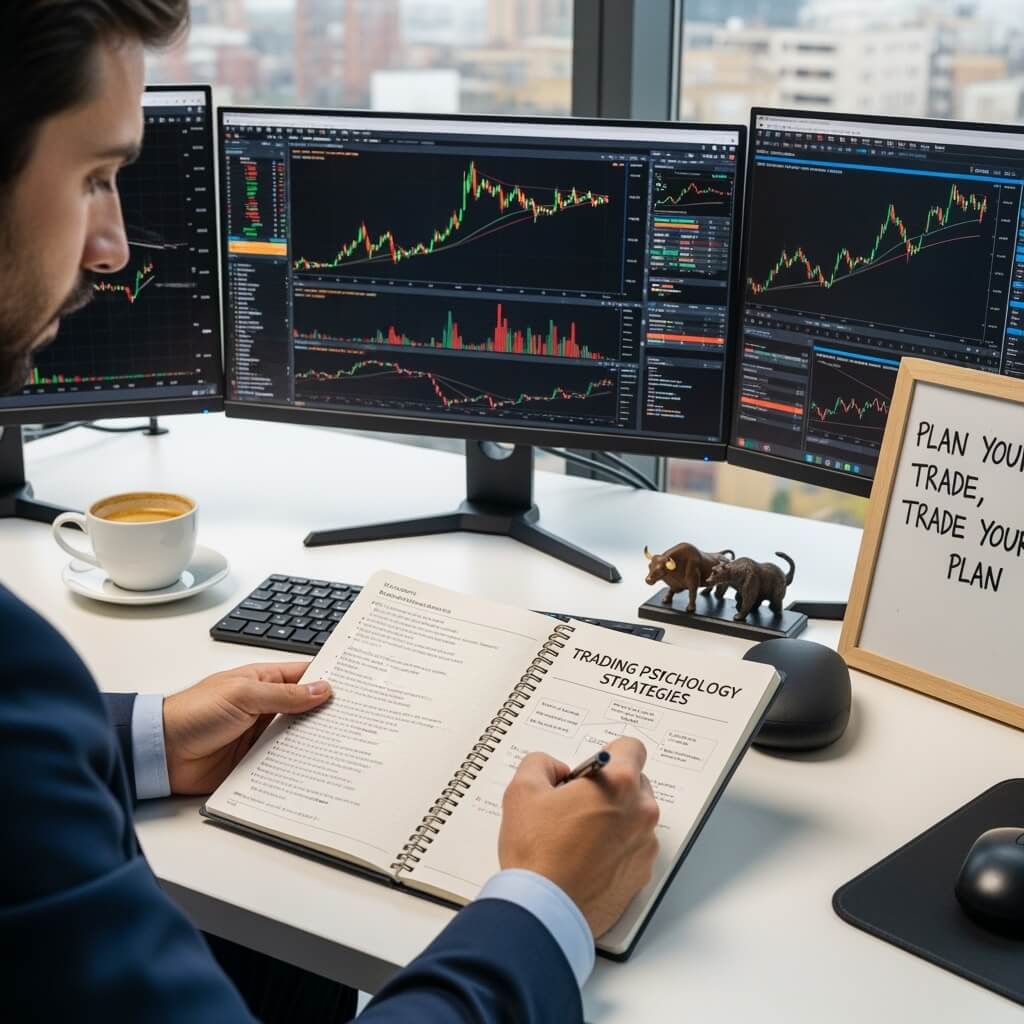
You can also use practical tools to make revenge trading more difficult. Consider setting platform alerts for daily drawdown limits, using predefined stop-loss orders, and limiting your maximum position size.
Some trading platforms and brokers offer daily loss limits or account-level risk controls. Where available, these features can help prevent emotional decisions from turning into significant financial damage.
You can also log out of your trading platform after reaching your daily loss limit. Adding a small barrier between yourself and the market can make a meaningful difference when emotions are running high.

Final Thoughts
Learning how to stop revenge trading effectively requires more than simply telling yourself to stay calm. It requires a structured approach that combines emotional awareness, risk management, and consistent discipline.
Identify your triggers, establish strict daily loss limits, take breaks after losing trades, and follow your trading plan regardless of short-term results.
Most importantly, change the way you think about losses. You don’t need to recover your money today, and you don’t need to prove anything to the market.