Oil prices fell on Tuesday, November 10, as growing expectations of a possible end to the conflict in the Middle East eased concerns about global supply disruptions. Brent crude briefly dropped below $90 per barrel for the first time since August, while U.S. West Texas Intermediate (WTI) declined to around $84.59. The market reacted after U.S. President Donald Trump suggested that the conflict could end “fairly soon” and indicated that diplomatic contacts with Tehran were progressing.
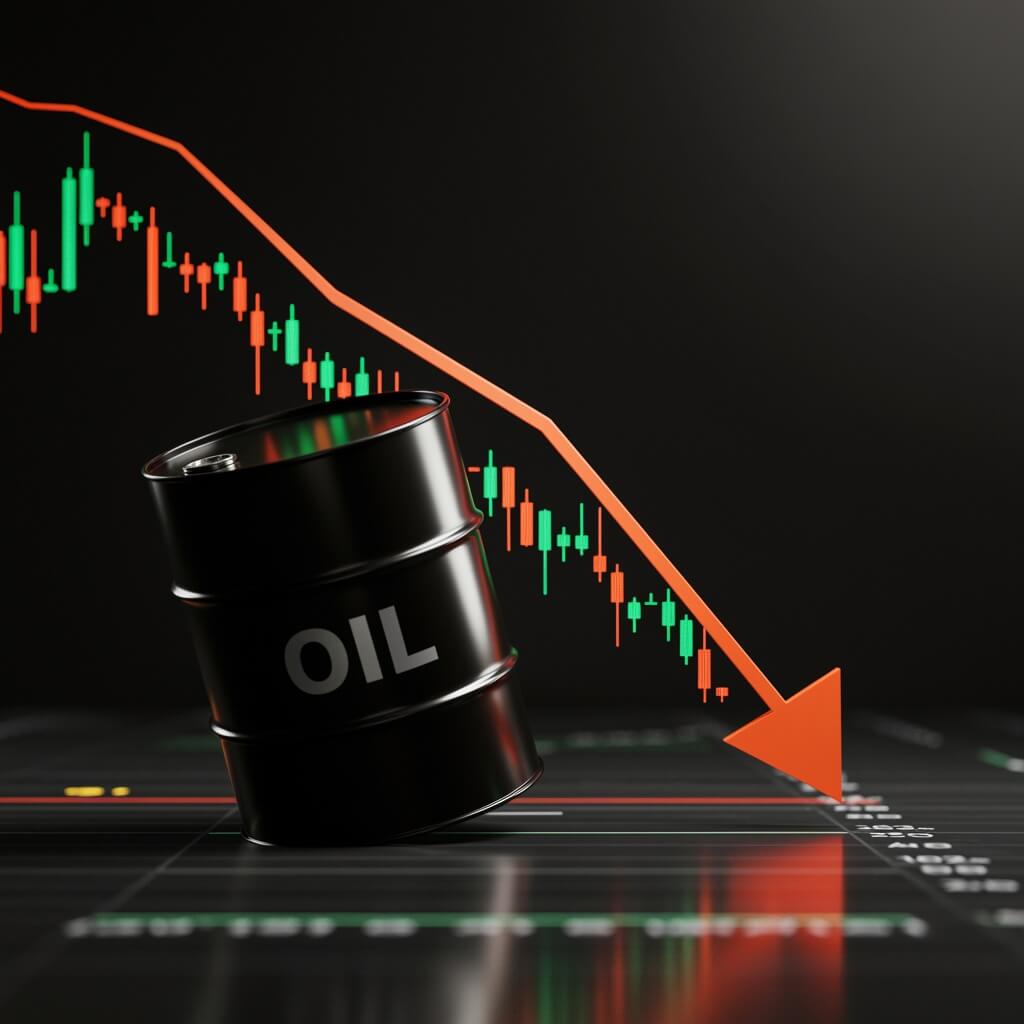
The decline reflects a reduction in the geopolitical risk premium that had supported oil prices in recent months. Brent began 2026 near $60 per barrel before surging to approximately $130 during the escalation of military tensions in March and April. Since then, prices have experienced significant swings as traders assessed the risk of further disruptions to energy supplies. The recovery of oil flows through the Strait of Hormuz and reports that regional negotiations could ease restrictions have added further downward pressure.
However, the outlook remains uncertain. ING analysts noted that recovering regional supplies and expectations of de-escalation were weighing on crude prices, but warned that negotiations remained fragile and risks to energy infrastructure persisted. Energy consultant Fereidun Fesharaki was more skeptical, arguing that major disagreements between Washington and Tehran over nuclear materials and control of the Strait of Hormuz make a comprehensive peace agreement unlikely. He suggested that the U.S. administration may ultimately have to choose between declaring a political victory and resuming military action.
For oil markets, the next moves will largely depend on developments in the Middle East, the security of shipping routes, and the stability of regional production. Although easing tensions could push crude prices lower, any renewed escalation or disruption to transportation infrastructure could quickly reverse the trend. For now, traders are watching diplomatic signals closely as the market reassesses the balance between recovering supply and persistent geopolitical risks.