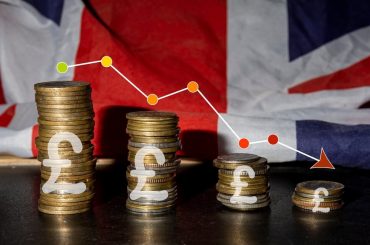
Britain’s Chancellor of the Exchequer Rachel Reeves is set to deliver the government’s Spring Statement to Parliament on Tuesday, providing an update on the state of the British economy and public finances. The announcement will coincide with the release of the latest forecasts from the independent Office for Budget Responsibility (OBR), which evaluates the government’s tax, spending, and borrowing plans. Economists, however, are not anticipating major policy changes, with the government emphasizing that the Autumn Budget remains the primary fiscal event of the year.
Analysts say the Spring Statement is likely to reinforce existing plans rather than introduce new measures. “Big picture, we’re not expecting any fireworks,” said Sanjay Raja, chief U.K. economist at Deutsche Bank. Chancellor Reeves is expected to highlight that previously announced initiatives, including higher business taxes and significant infrastructure spending, are beginning to deliver results, while cautioning that public finance pressures remain.
The OBR will provide updated economic and fiscal forecasts, but it will not formally assess whether the government is meeting its fiscal rules ahead of the Autumn Budget. Economists will monitor the so-called fiscal “headroom,” with Morgan Stanley projecting it to remain around £20 billion, despite modest adjustments to forecasts, strong tax receipts, and additional current spending of £3.5 billion. The figures are seen as a key indicator of the government’s flexibility to meet spending and debt targets.
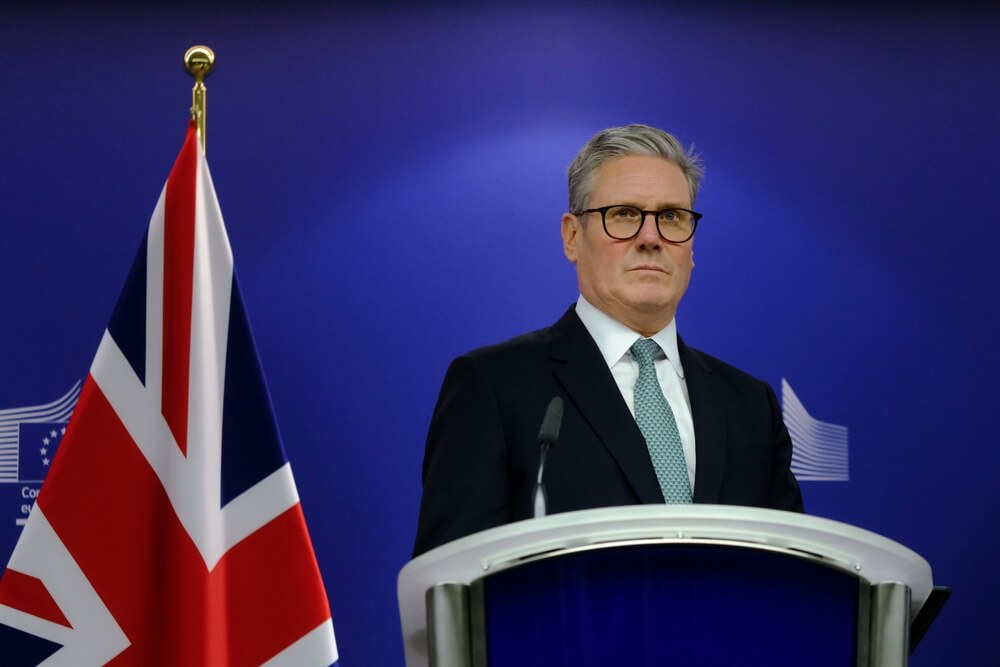
With nationwide local elections looming in May, the Labour government led by Prime Minister Keir Starmer is likely to approach the Spring Statement cautiously. Officials are wary of announcements that could unsettle households or businesses amid struggling opinion polls. While speculation has emerged about potential small incentives, experts suggest any new spending measures are expected to be limited, with fiscal pressures likely to keep budgets tight after the current spending review period.