Beyond supply and demand, commodity prices are strongly influenced by investor sentiment. In financial markets, risk-on periods occur when investors feel confident and are more willing to buy higher-risk assets. In contrast, risk-off periods arise during times of uncertainty or fear, prompting investors to shift toward safer investments.
Commodities often reflect these changes in mood, with prices rising in optimistic environments and falling when caution dominates. By reading this article, you will learn how commodity prices behave under different market conditions and what they reveal about overall investor confidence.
Understanding Risk-On and Risk-Off
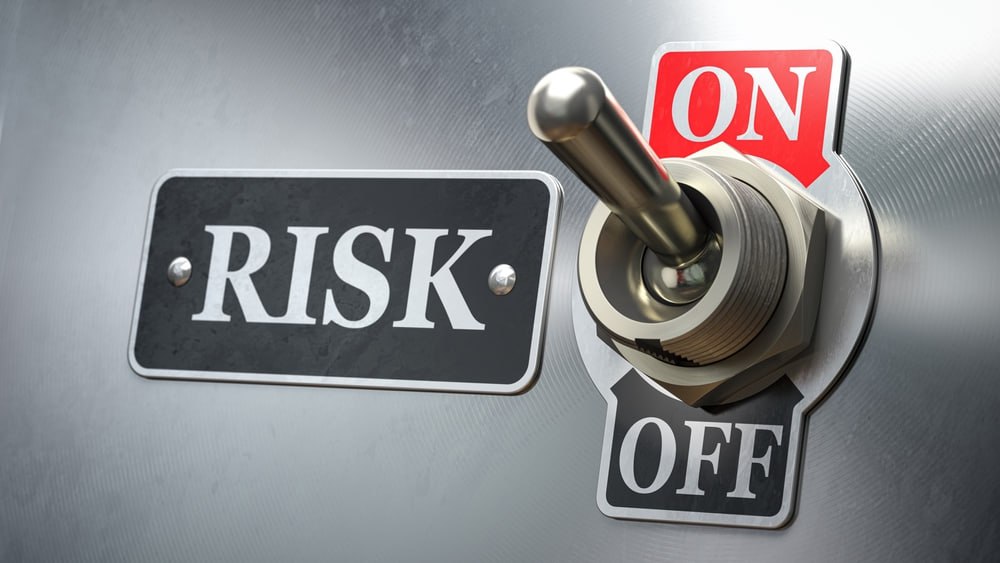
Risk-on occurs when investors are optimistic about economic growth and market conditions, making them more willing to take on higher risk in pursuit of greater returns. During these periods, they tend to favor equities, high-yield bonds, and commodities such as oil and industrial metals, which are closely linked to economic activity. Rising prices in these assets often reflect growing confidence in global growth and corporate earnings.
Risk-off, on the other hand, happens when uncertainty, fear, or negative economic signals dominate the market. In such times, investors prioritize preserving capital over seeking high returns. This behavior leads them to move into safe-haven assets like gold, the U.S. dollar, and government bonds, which are perceived as more stable during periods of volatility.
Commodities in a Risk-On Environment
In a risk-on environment, commodities closely tied to economic growth tend to benefit. Key examples include oil, copper, and other industrial metals, which are heavily used in manufacturing, construction, and energy production.
Demand for these commodities rises during periods of optimism because stronger economic growth encourages higher industrial activity and increased consumption. For instance, when manufacturing output expands, the need for copper in wiring and machinery increases, while oil demand rises to fuel transportation and energy needs. This heightened demand often drives prices higher, reflecting investor confidence in global growth.
Historical examples illustrate this pattern. During the mid-2000s commodities boom, optimism about global expansion, particularly in emerging markets, pushed oil and copper prices to record highs.
More recently, in 2021, as economies began recovering from the COVID-19 pandemic, industrial metals and energy commodities saw significant rallies, fueled by expectations of increased manufacturing and infrastructure spending worldwide. These examples show how a risk-on mood can lift commodity markets, signaling broader investor confidence.
Commodities in a Risk-Off Environment
In a risk-off environment, investors seek safety and stability, often turning to commodities that are considered safe-haven assets. Gold and silver are the most prominent examples, valued for their ability to preserve wealth during times of uncertainty. In certain scenarios, oil can also act as a safe-haven, particularly when supply concerns dominate the market, even amid broader risk-off conditions.
Investors flock to these assets during periods of uncertainty, geopolitical tensions, or market corrections. Safe-haven commodities provide a store of value when equities and riskier investments are volatile, helping investors protect capital and hedge against market instability.
Historical events highlight this behavior. During the 2008 global financial crisis, gold prices surged as investors sought stability while stock markets plummeted. Similarly, in early 2020, at the onset of the COVID-19 pandemic, gold and silver experienced strong buying as market uncertainty spiked.
Even in periods of geopolitical tension, such as the 2011 European debt crisis, safe-haven commodities saw significant inflows, demonstrating their role as a refuge during risk-off phases. These examples underscore how commodity prices respond not only to supply and demand fundamentals but also to shifts in investor sentiment during turbulent times.
How Traders Can Use This Information
Understanding how commodities react to risk-on and risk-off environments can help traders make better decisions and manage risk. Commodity prices often reflect overall market sentiment, providing clues about where investors are putting their money.
Simple strategies include:
- Trade growth-related commodities like oil and copper during risk-on periods.
- Focus on safe-haven commodities like gold and silver during risk-off periods.
- Keep positions small and use stop-losses to protect against sudden swings.
- Watch how commodity prices move with stocks and currencies to gauge overall market mood.
Commodity prices are closely linked to shifts in market sentiment. During risk-on periods, growth-focused commodities like oil, copper, and industrial metals tend to rise, reflecting investor optimism and increased economic activity. In risk-off periods, safe-haven assets such as gold and silver often gain as investors seek stability amid uncertainty.
Monitoring global events and overall market mood is essential for making informed trading decisions. Economic data, geopolitical developments, and central bank policies can quickly shift sentiment, affecting commodity prices across the board.