
Cognitive biases are systematic patterns of thinking that can lead individuals to make irrational decisions. In trading, these biases affect how investors interpret information, assess risks, and react to market movements. Even experienced traders can fall prey to mental shortcuts, or heuristics, that distort judgment, often leading to decisions driven more by emotion than logic. Understanding these biases is essential for improving decision-making and developing strategies grounded in careful analysis rather than impulse.
By reading this article, you will gain insights into the most common cognitive biases that influence traders, how they manifest in real-world market scenarios, and practical steps to mitigate their impact. Recognizing these patterns allows traders to make more informed choices, protect their investments, and navigate the market with greater clarity.
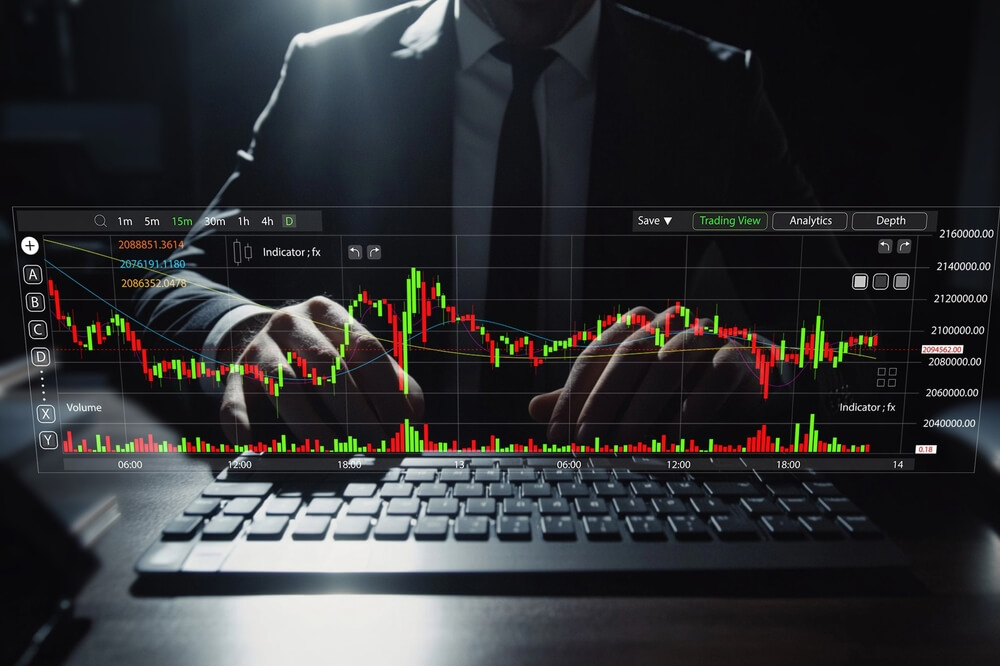
Herd Mentality in Trading
Herd mentality refers to the tendency of individuals to follow the crowd rather than making independent decisions. In trading, this behavior often leads investors to buy or sell assets simply because others are doing so, rather than based on careful analysis or market fundamentals.
Examples
Herd mentality has played a key role in numerous market phenomena. The Dot-com bubble of the late 1990s saw investors pouring money into internet companies with little scrutiny, driven by the fear of missing out on potential gains.
More recently, cryptocurrency hype cycles have demonstrated similar patterns, with rapid surges in buying activity fueled largely by social enthusiasm rather than fundamentals. Conversely, panic selling during market crashes illustrates herd behavior in reverse, as fear spreads and investors rush to exit positions.
Psychological Drivers
Several psychological factors underpin herd mentality. Fear of missing out (FOMO) motivates traders to act quickly when they see others profiting. Social proof and conformity also reinforce the behavior, as people assume that the crowd’s actions must be correct, even in the absence of reliable information.
Mitigation Strategies
Traders can reduce the influence of herd mentality by conducting independent research, analyzing data objectively, and developing a clear trading plan before entering positions. Relying on fundamentals and measurable indicators rather than sentiment-driven trends helps maintain discipline and avoid the costly pitfalls of following the crowd.

Anchoring Bias in Trading
Anchoring bias occurs when traders rely too heavily on the first piece of information they encounter, such as a stock’s historical peak, an analyst’s target price, or their own purchase price, when making decisions. This “anchor” can distort perception of value and lead to suboptimal choices, as subsequent information is interpreted in relation to this initial reference rather than objectively.
Examples
A common manifestation is investors fixating on a stock’s all-time high as a benchmark, expecting it to return to that level regardless of changing market conditions. Similarly, traders often hold onto losing positions because their original purchase price becomes an anchor, creating the illusion that the investment is “worth more” than current market data suggests.
Psychological Drivers
Anchoring is fueled by cognitive laziness and the natural human tendency to give undue weight to first impressions. Once an anchor is set, it strongly influences judgment and makes it difficult to adjust perceptions even when presented with new, contradictory information.
Mitigation Strategies
To counter anchoring bias, traders should regularly re-evaluate positions based on current fundamentals rather than past prices or predictions. Avoiding over-reliance on reference points and consciously questioning initial assumptions can help maintain a more objective, data-driven approach to trading decisions.
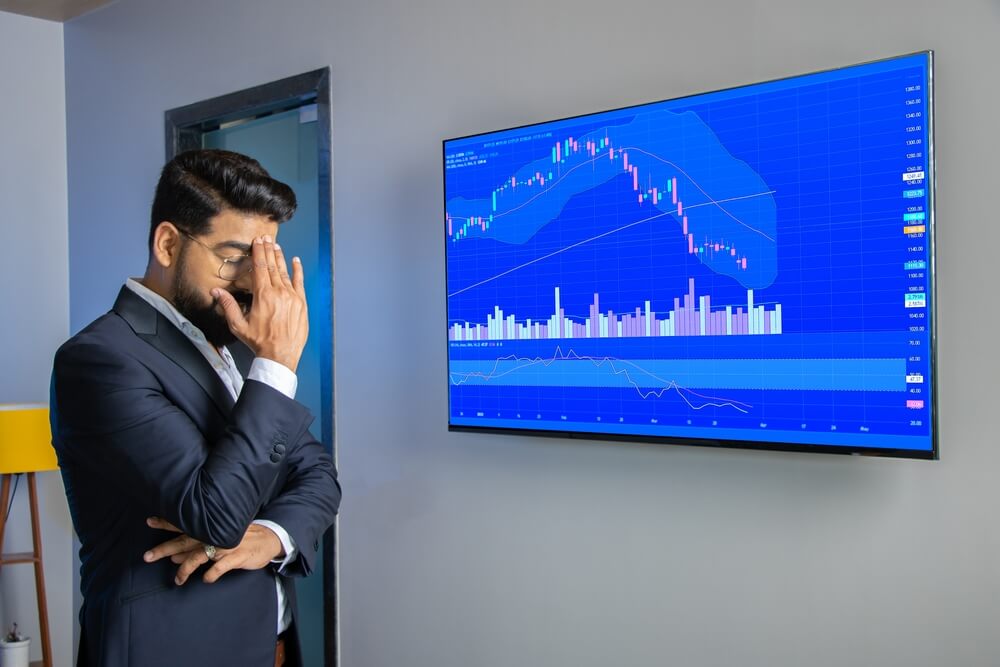
Loss Aversion in Trading
Loss aversion is the tendency for traders to fear losses more strongly than they value equivalent gains. This bias often causes decision-making to be driven by the desire to avoid losses rather than to maximize profits, leading to suboptimal trading behavior.
Examples
Investors frequently sell winning trades too early to “lock in profits,” missing out on further upside. Conversely, they may hold onto losing trades for too long, hoping the market will rebound to the original purchase price, which can compound losses over time.
Psychological Drivers
The emotional pain associated with losses is more intense than the pleasure of equivalent gains, making losses disproportionately impactful on decision-making. This concept is central to prospect theory, developed by Daniel Kahneman and Amos Tversky, which explains why people often make risk-averse choices when facing potential gains and risk-seeking choices when trying to avoid losses.
Mitigation Strategies
Traders can counteract loss aversion by setting predetermined stop-loss and take-profit levels, journaling and reviewing trades objectively, and using algorithmic triggers or automated strategies to remove emotional influence from decision-making. These methods help maintain discipline and ensure trading decisions are guided by logic rather than fear.
Cognitive biases such as herd mentality, anchoring, and loss aversion can profoundly influence trading decisions, often leading to mistakes and missed opportunities. While these biases are natural and rooted in human psychology, awareness is the first step toward managing them effectively. By recognizing their own tendencies, conducting independent research, relying on data and fundamentals, and using disciplined strategies, traders can reduce the impact of these mental pitfalls.
Ultimately, mastering the psychological aspects of trading can be just as important as mastering charts and technical analysis. By developing self-awareness, emotional discipline, and a structured approach, traders not only improve their decision-making but also gain a long-term edge in navigating the markets with confidence and clarity.