Tariff tensions between the United States and Europe have eased after U.S. President Donald Trump signaled a retreat from plans to impose new duties, following strong pushback from European business leaders. European industry groups believe that the European Union must be prepared to retaliate against what they described as economic “blackmail,” even as calls for de-escalation grow.
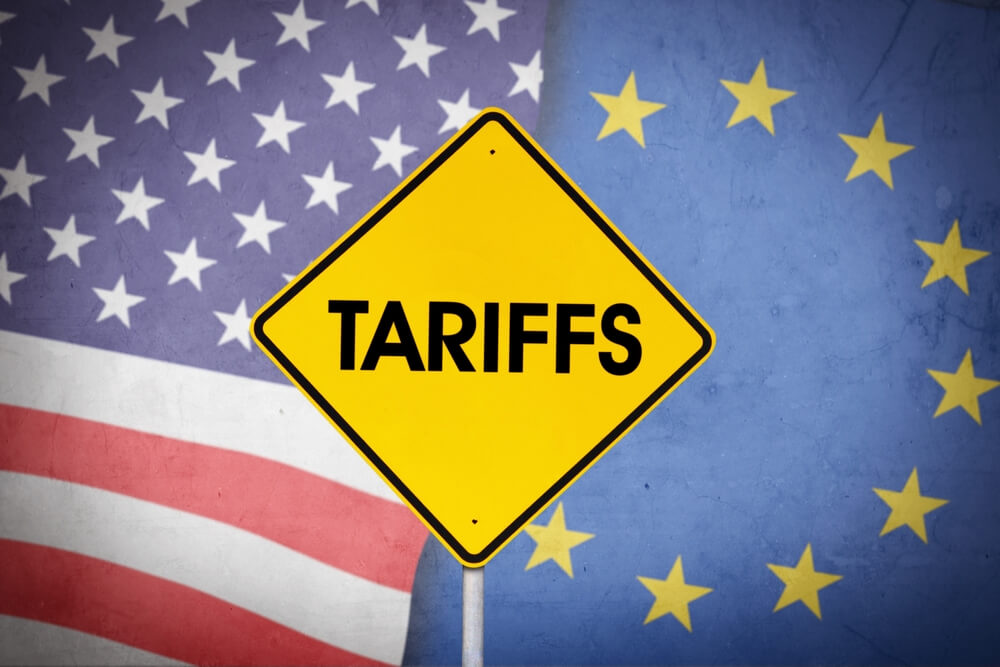
The dispute intensified after Trump announced plans to introduce 10% tariffs on six EU countries, as well as the U.K. and Norway, starting Feb. 1. In response, the EU froze its EU-U.S. trade deal and considered deploying its Anti-Coercion Instrument (ACI), which allows to impose broad trade sanctions. The situation softened Wednesday evening after Trump backed away from the tariff threat.
European business leaders stressed that all defensive tools should remain on the table. Volker Treier, head of foreign trade at the German Chamber of Commerce and Industry, said the EU should review all trade defense mechanisms, including the ACI, while emphasizing it should be used only as a last resort. Others echoed the need for readiness paired with restraint.
Norwegian and German industry representatives warned that Europe must act decisively if its interests are threatened. Bertram Kawlath, president of Germany’s VDMA industrial association, said Europe should not yield to U.S. pressure, arguing that concessions would only invite further demands. He also urged the European Commission to examine whether the ACI could be applied if tensions flare again.
Business groups warned that renewed tariffs could have a significant economic impact. The British Chambers of Commerce estimated that 10% tariffs could cost U.K. firms £6 billion, rising to £15 billion if duties were increased to 25% later in the year. Analysts also noted that Europe’s substantial holdings of U.S. assets could provide leverage in any countermeasures.
German industry leaders warned that new U.S. tariffs would further disrupt transatlantic trade, particularly in sectors already facing high steel and aluminum levies. With bureaucratic costs also weighing on exporters, more than half of all machinery exports could be affected, underscoring the stakes as both sides seek to avoid a renewed escalation.