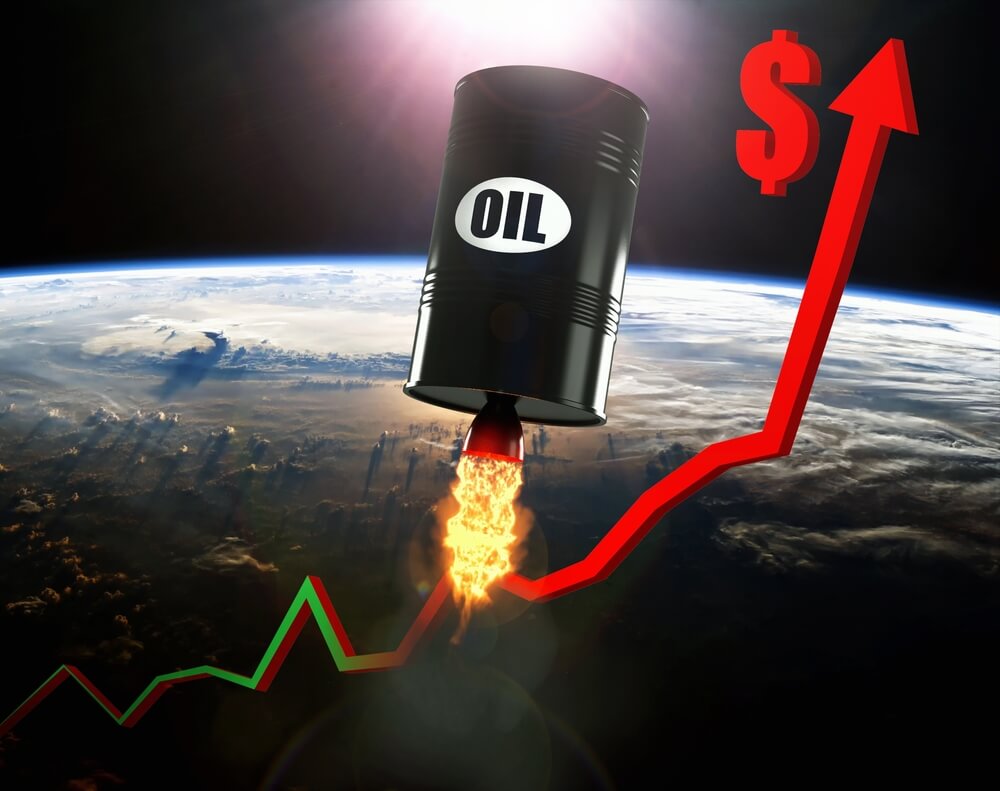
Global central banks are facing a renewed challenge as escalating geopolitical tensions threaten to disrupt global energy supplies and drive oil prices higher, raising fresh concerns about inflation. Energy markets reacted sharply this week after military strikes and retaliatory attacks intensified around one of the world’s most critical oil-shipping routes, causing tanker traffic through the key maritime chokepoint to slow dramatically.
Crude prices climbed for several consecutive sessions, with benchmark oil hovering near its highest level in more than a year. Analysts warn that sustained increases in energy costs could quickly filter into consumer and producer prices worldwide, complicating efforts by policymakers who had been preparing to ease monetary policy after a prolonged period of elevated interest rates.

Central banks now face a delicate balancing act between controlling inflation and supporting economic growth. Higher energy prices tend to push inflation upward, yet geopolitical instability can also dampen global economic activity. Policymakers in several major economies have signaled they may pause plans for interest-rate cuts until the trajectory of energy markets becomes clearer.
Economists say the effects could be particularly pronounced in Asia, where many countries rely heavily on imported oil that travels through the threatened shipping corridor. A prolonged disruption could push regional inflation higher and force central banks in several economies to keep borrowing costs elevated for longer than previously expected.

Governments may attempt to cushion households and businesses from rising fuel costs through subsidies, tax reductions, or price controls. However, such measures would place additional pressure on already strained public finances, leaving policymakers with difficult trade-offs between containing inflation and maintaining fiscal stability as uncertainty in global energy markets persists.