
Multi-Timeframe Analysis (MTA) is a trading approach that involves examining the same financial instrument across multiple chart timeframes, such as daily, 4-hour, and 1-hour charts, to gain a clearer picture of market trends and potential trade setups. Rather than relying on a single chart, MTA helps traders see both the “big picture” and the precise entry points, creating a more informed trading strategy.
By reading this article, you will learn how to align trends and signals across different timeframes, identify stronger market trends, filter out false signals, and improve the timing of your trades. This approach reduces guesswork and increases confidence in trade decisions.
What is Multi-Timeframe Analysis?
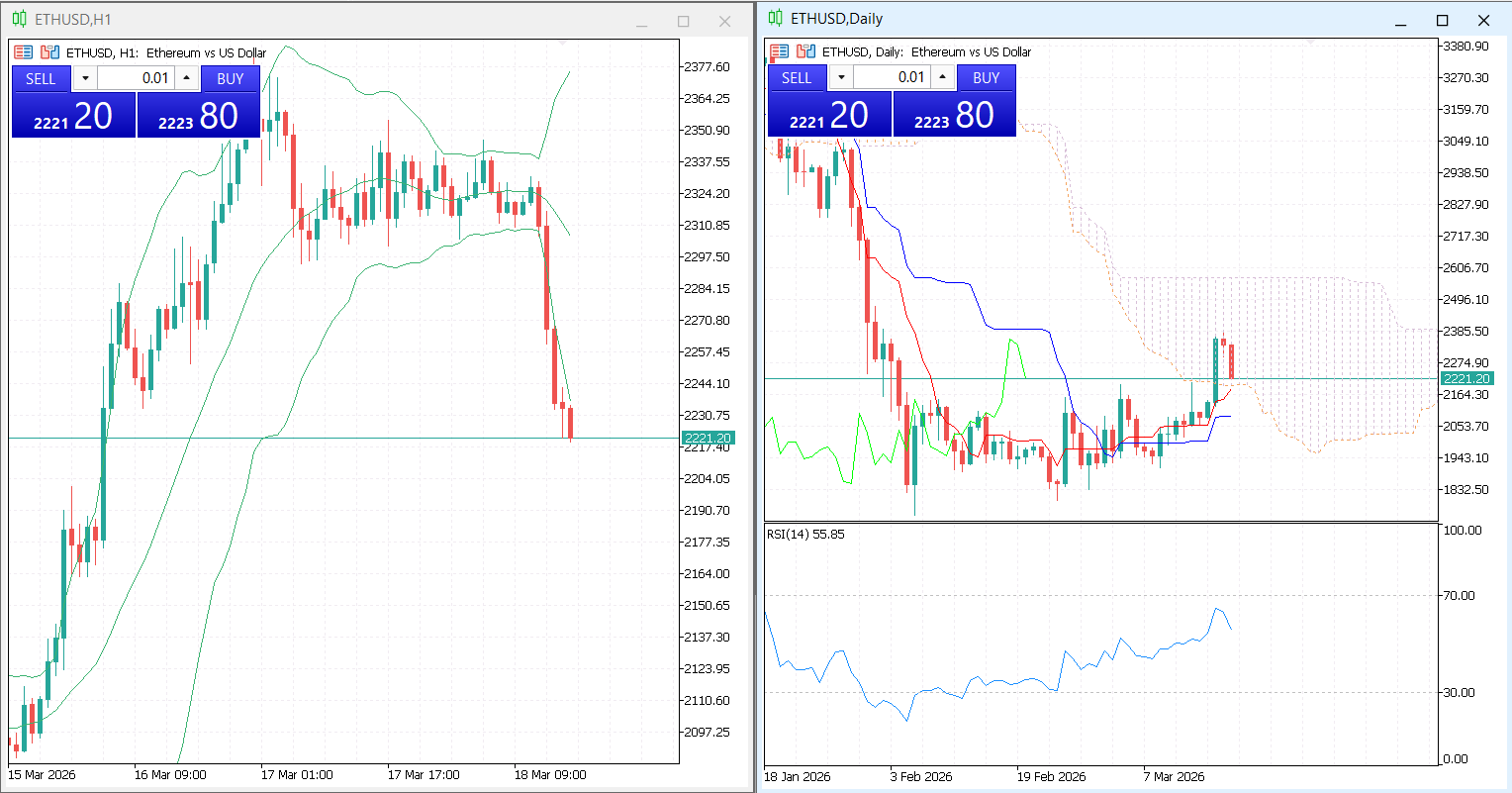
Multi-Timeframe Analysis (MTA) is the practice of examining a single financial instrument across multiple chart timeframes to gain a clearer understanding of market trends and to confirm trading signals. Instead of relying on a single chart, traders look at both long-term trends and short-term price movements, which allows them to make more informed decisions about when to enter or exit a trade.
In MTA, the higher timeframe shows the overall market trend and major levels of support and resistance, giving a big-picture view that helps traders understand the dominant direction of the market. The intermediate timeframe focuses on smaller trends and corrections within the broader trend, highlighting potential trade setups such as pullbacks or consolidations. Finally, the lower timeframe provides a close-up look at short-term price movements, allowing traders to time entries and exits with greater precision.
Benefits of Multi-Timeframe Analysis
Multi-Timeframe Analysis helps traders see the bigger picture while refining their entries and exits. By aligning trends across different timeframes, it reduces mistakes and increases confidence in trading decisions. Here are some key benefits of using this approach:
- Avoiding false signals that appear on a single chart.
- Entering trades with confirmation of the dominant trend.
- Improving stop-loss and target placement using higher timeframe levels.
- Enhancing timing for entries and exits, reducing unnecessary losses.
- Building consistency and discipline in trading decisions.

How to Use Multi-Timeframe Analysis Step by Step
Multi-Timeframe Analysis works best when applied systematically. By analyzing charts from higher to lower timeframes, traders can align with the dominant trend while refining entry and exit points for better trade outcomes.
- Determine your trading style. Decide whether you are scalping, day trading, swing trading, or position trading, as this will influence the timeframes you use.
- Select appropriate timeframes. Use the higher timeframe (HTF) to identify the main trend, the intermediate timeframe (ITF) for spotting setups, and the lower timeframe (LTF) for precise entries and exits.
- Analyze the higher timeframe. Look at the overall trend, key support and resistance levels, and major patterns to understand the dominant market direction.
- Examine the intermediate timeframe. Identify pullbacks, consolidation patterns, or smaller trends that may offer potential trade setups in line with the higher timeframe.
- Use the lower timeframe for entry and exit. Refine timing using candlestick patterns, volume signals, or confirmation indicators to maximize the probability of a successful trade.
- Confirm alignment across timeframes. Ensure the signals on all three timeframes support the trade idea before entering.

For example, if the daily chart shows an uptrend, the 4-hour chart displays a pullback to a support level, and the 1-hour chart forms a bullish reversal pattern, this alignment indicates a high-probability entry. Using this step-by-step approach consistently helps traders reduce false signals and improve trade timing.
Multi-Timeframe Analysis is a powerful tool for traders seeking to improve accuracy and confidence in their decisions. The key takeaway is that aligning trends across multiple timeframes allows you to follow the dominant market direction, avoid false signals, and refine entry and exit points. Using timeframes wisely and confirming signals across higher, intermediate, and lower charts can make the difference between a successful trade and an unnecessary loss.
For traders looking to apply these concepts, the best approach is to start practicing on a demo account. This allows you to develop discipline, test strategies, and become comfortable analyzing multiple timeframes without risking real capital. By consistently applying MTA, you can build a structured, reliable approach to trading that improves both timing and overall performance.