Scalping is one of the fastest-paced trading strategies in financial markets, where positions are opened and closed within seconds or minutes. Unlike long-term investing, scalpers aim to capture small price movements repeatedly throughout the day. While the profits per trade may seem minimal, they can quickly add up with the right discipline and execution. This article explores how scalping works, the tools traders use, and what it takes to succeed in this high-speed environment.
What Is Scalping?
Scalping is a short-term trading strategy focused on profiting from very small price movements in the market. Instead of holding positions for hours or days, scalpers enter and exit trades quickly, often within seconds to a few minutes, aiming to accumulate gains through a high number of trades.
The primary goal of scalping is to generate small but consistent profits. While each individual trade may yield only a minor return, these gains can add up significantly over time when executed repeatedly with discipline and precision.
Scalping typically operates on extremely short timeframes, ranging from a few seconds to several minutes. This fast-paced approach requires constant market monitoring, quick decision-making, and reliable execution.
This strategy is most commonly used in highly liquid markets where price movements occur frequently and spreads are tight. Popular markets for scalping include the foreign exchange (forex) market, cryptocurrencies, and stocks, as they offer the volatility and volume needed for rapid trading.

How Scalpers Make Money
Scalpers generate profits by taking advantage of very small price movements that occur throughout the trading day. Instead of waiting for large trends, they focus on capturing tiny fluctuations, often just a few pips or cents per trade. These micro-movements may seem insignificant, but when traded consistently, they can produce meaningful returns.
A key element of scalping is high trade frequency. Scalpers may execute dozens or even hundreds of trades in a single session. The idea is simple: small profits multiplied by many trades can compound into substantial gains. However, this approach requires speed, precision, and strict discipline.
Tight spreads and high liquidity are critical for success. Since scalpers target small price differences, wide spreads can quickly eat into profits. That’s why they prefer highly liquid markets, such as major forex pairs, large-cap stocks, or popular cryptocurrencies, where trades can be executed quickly and with predictable pricing.
Leverage also plays an important role in scalping. By using leverage, traders can amplify small price movements into larger gains. However, this comes with significant risk: losses are magnified just as quickly as profits. Without proper risk management, leverage can lead to rapid drawdowns, making it one of the most dangerous aspects of scalping.
Popular Scalping Strategies
Scalpers rely on a variety of strategies to take advantage of short-term price movements. While the execution speed is similar across approaches, the logic behind each strategy can differ significantly.
Momentum Scalping
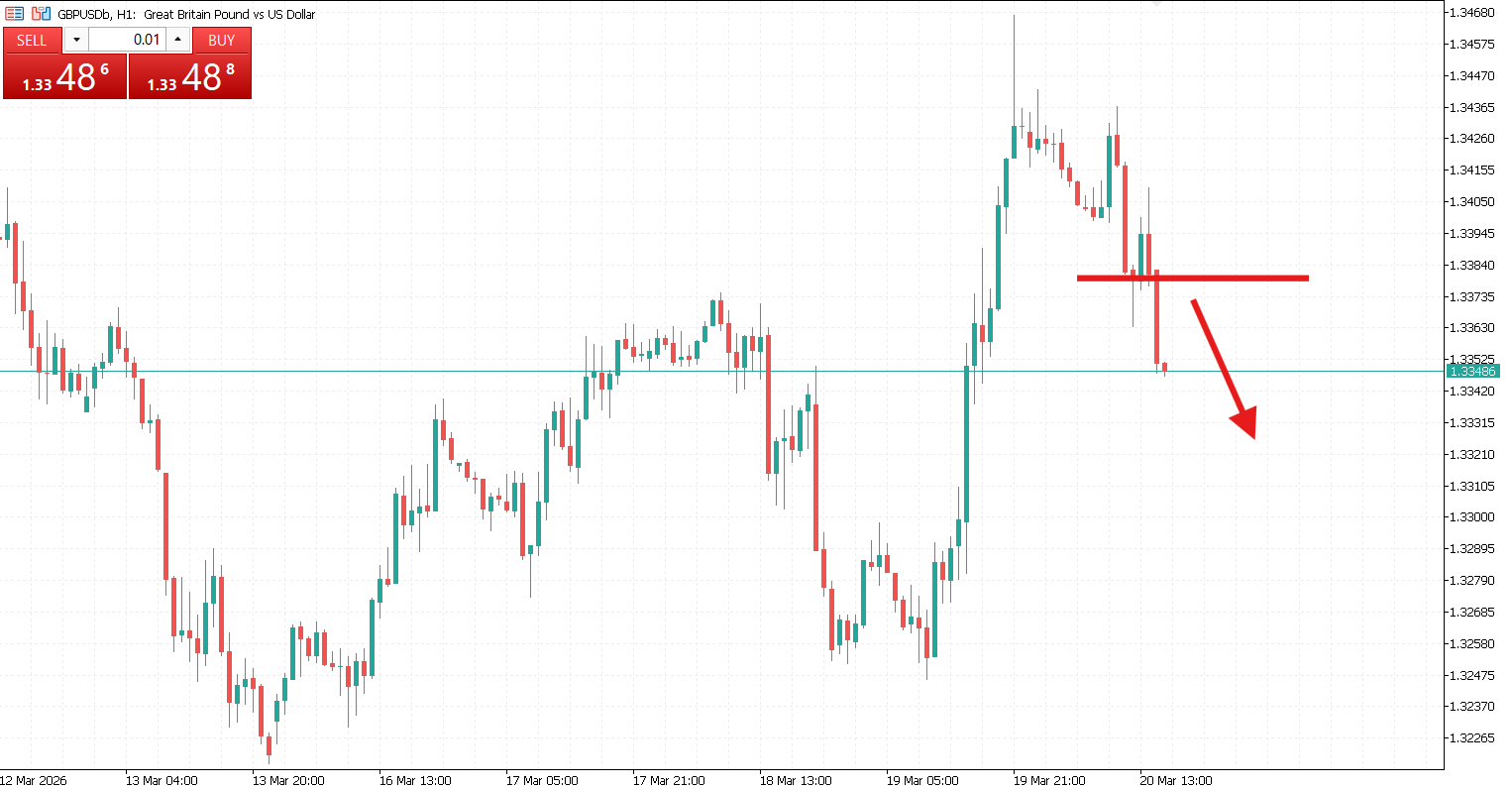
This strategy focuses on trading in the direction of strong price movements. Scalpers look for assets showing clear upward or downward momentum, often driven by high volume or market sentiment. The goal is to enter quickly as momentum builds and exit before it fades.
Range Trading
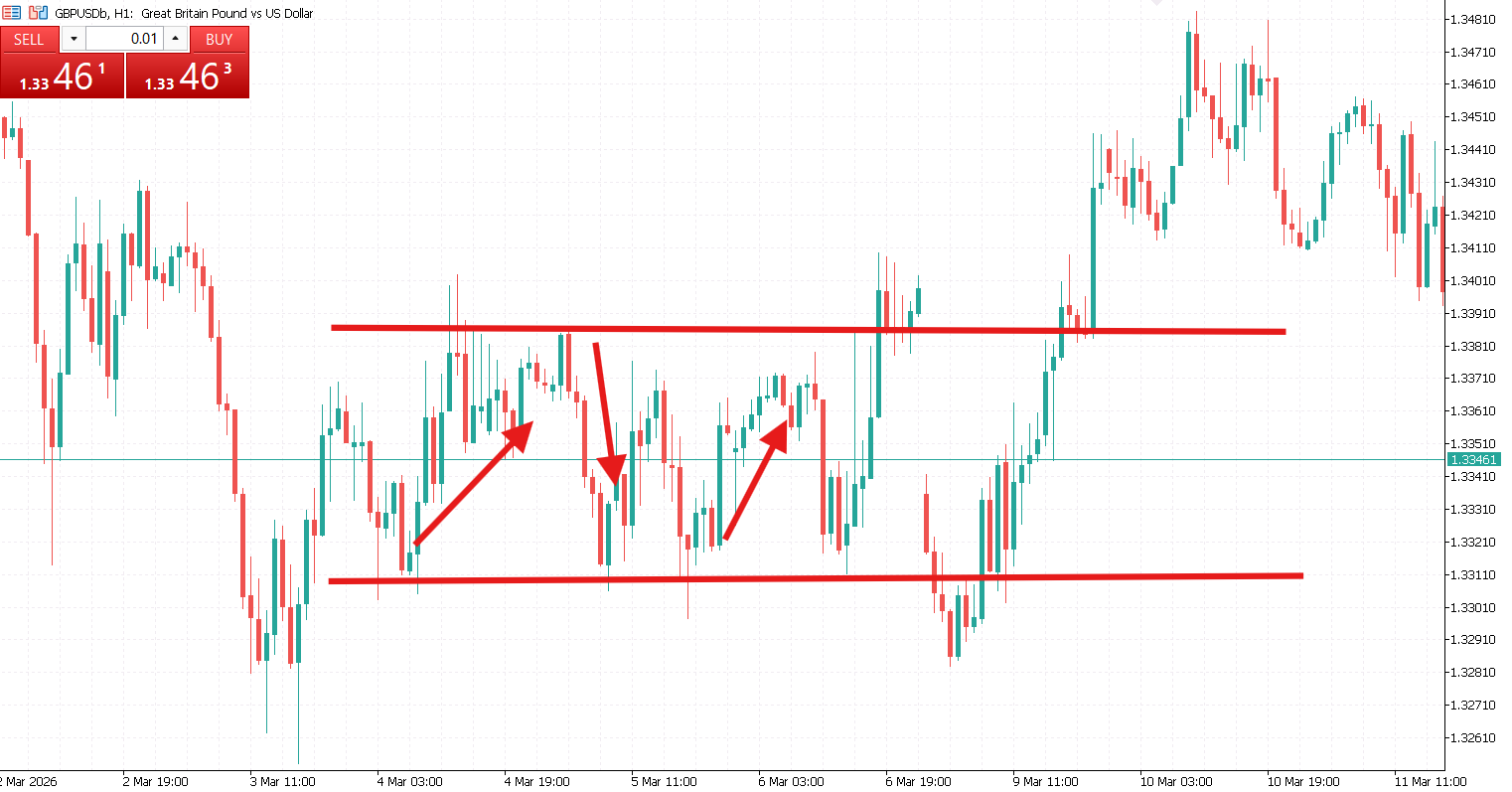
Range scalping is based on the idea that prices often move within defined support and resistance levels. Traders buy near support and sell near resistance, capturing small, repeated moves within the range. This approach works best in stable, sideways markets.
Breakout Scalping
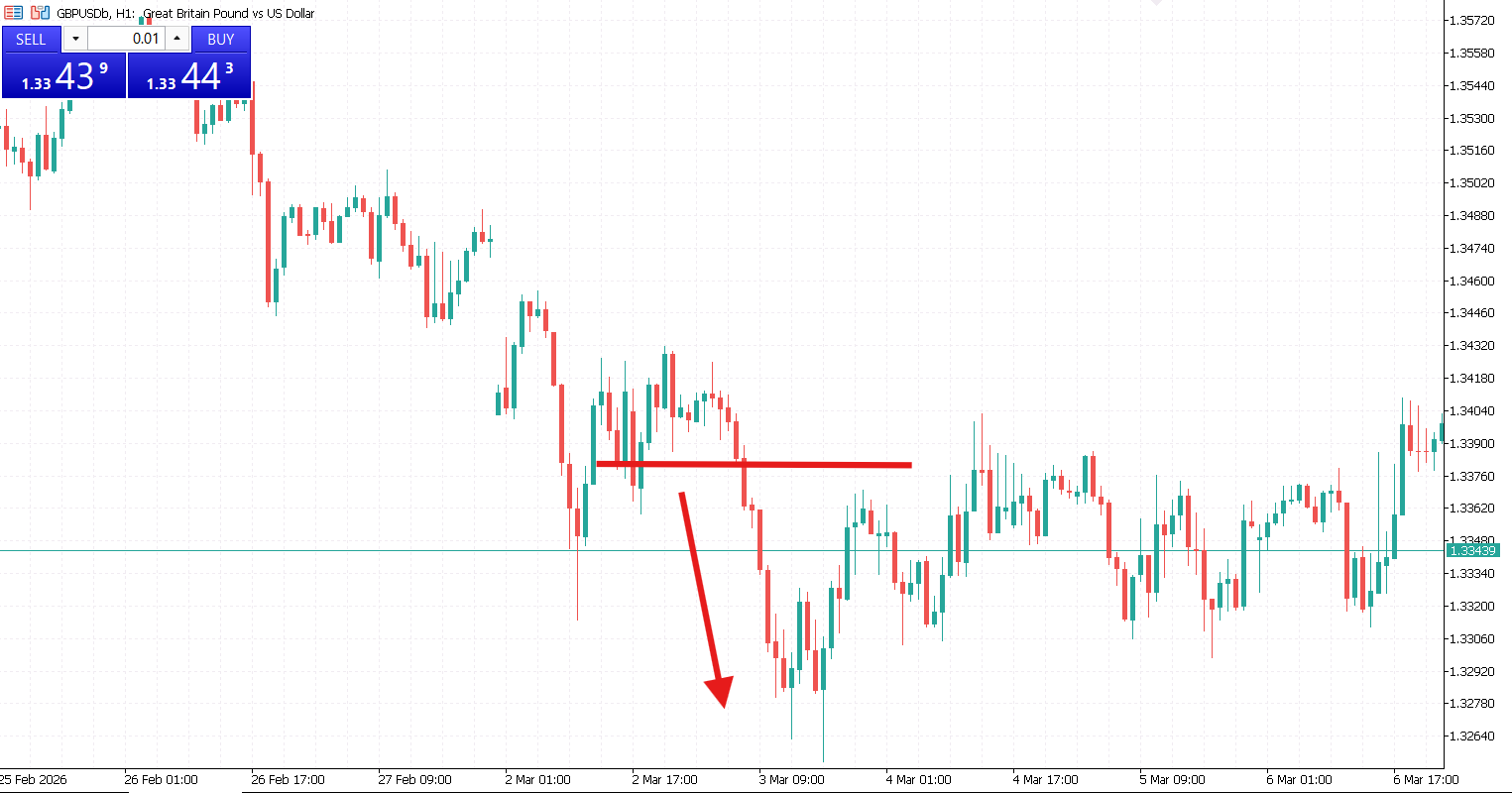
Breakout scalpers aim to profit from sudden price moves when an asset breaks through key levels of support or resistance. These moves are often sharp and fast, providing quick profit opportunities. Timing is critical, as false breakouts can lead to losses.
News-Based Scalping
This strategy involves trading around major economic releases or breaking news events. News can trigger rapid volatility, creating short-term opportunities for scalpers. However, this approach carries a higher risk due to unpredictable price swings and potential slippage during high-impact events.
Pros and Cons of Scalping
Scalping offers unique advantages, but it also comes with notable challenges that traders should carefully consider.
Pros
- Quick profits. Trades are completed within seconds or minutes, allowing traders to realize gains almost immediately.
- Reduced overnight risk. Positions are rarely held for long, minimizing exposure to unexpected market moves outside trading hours.
- Frequent opportunities. Highly liquid markets provide constant price movements, giving scalpers many chances to enter trades throughout the day.
Cons
- High stress. The fast-paced nature of scalping can be mentally demanding and exhausting.
- Requires intense focus. Traders must monitor the market continuously and react instantly to price changes.
- Transaction costs can add up. High trading frequency means spreads, commissions, and fees can significantly impact overall profitability.
- Not suitable for everyone. Scalping demands discipline, experience, and the right mindset, making it less ideal for beginners or those who prefer a slower trading style.
Scalping offers a unique way to profit from the markets by capitalizing on rapid price movements. While it can be highly rewarding, it also demands precision, discipline, and the ability to make decisions under pressure. For traders willing to invest the time in mastering the strategy and managing risk effectively, scalping can become a powerful addition to their trading toolkit.