A government shutdown occurs when the federal government temporarily closes non-essential services due to a failure to pass funding legislation. Shutdowns typically happen because of budget gaps, political deadlock, or disputes over government spending priorities.
By reading this article, you will understand what a government shutdown is and how it can create uncertainty and volatility in financial markets, affecting stocks, bonds, and currencies. Investors, businesses, and everyday Americans alike can feel the ripple effects, making it essential to know what to expect during these periods of fiscal disruption.
What Happens During a Government Shutdown
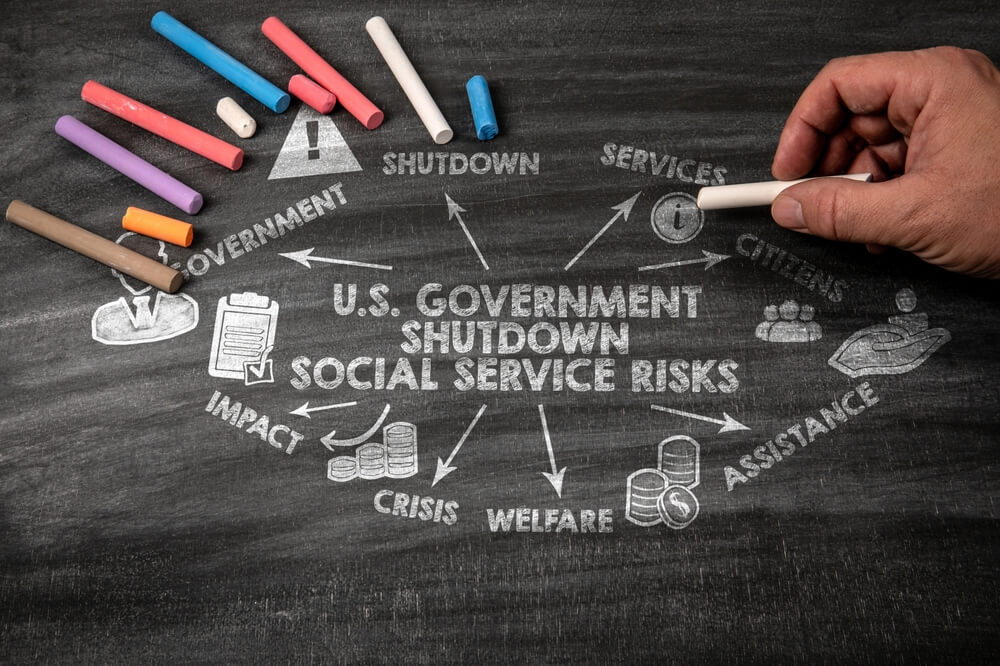
During a government shutdown, non-essential federal services are temporarily suspended. This means many government offices close, and routine operations can come to a halt. Federal employees are directly affected, often facing furloughs or delayed paychecks, which can create financial strain for individuals and households.
In addition, government programs, approvals, and regulatory actions may be delayed. This can affect everything from permits and licenses to public services and government contracts, creating a ripple effect that extends to businesses and the broader economy.
Immediate Market Reactions
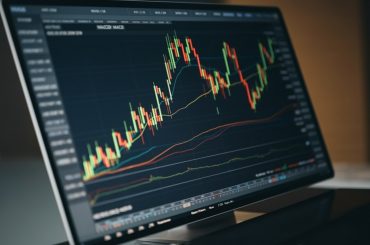
Government shutdowns often trigger immediate reactions across financial markets due to increased uncertainty. Stock markets tend to become more volatile, as investors react to the potential economic slowdown and the uncertainty surrounding government operations.
Bond markets may see a flight to safety, with investors moving into U.S. Treasuries. This demand can lower yields on government bonds, reflecting concerns about risk and stability. Currency markets can also be affected. The U.S. dollar may weaken against safe-haven currencies like the Swiss franc or Japanese yen, as investors seek stability during periods of fiscal uncertainty.
Economic Consequences
A government shutdown can have broader effects on the economy beyond immediate market reactions. Consumer and business confidence often declines, as uncertainty about government operations can make households and companies more cautious with spending and investment.
If a shutdown persists, it can slow overall economic growth, since government services and programs may be paused, and delayed payments can reduce consumer purchasing power. Additionally, government spending and GDP can be directly affected. Federal expenditures are temporarily halted or reduced, which can have a measurable impact on economic output, particularly if the shutdown lasts several weeks.
Historical Examples
Looking at past U.S. government shutdowns can help illustrate their effects on financial markets. For example, during the 2013 shutdown, which lasted 16 days, the stock market experienced short-term volatility, with the S&P 500 falling initially but recovering quickly once the government reopened.
Similarly, the 2018–2019 shutdown, caused temporary market jitters, though long-term economic indicators largely rebounded after the standoff ended. A key pattern emerges from these events: shutdowns often trigger short-term market volatility, especially in stocks and currency markets, but the long-term impact on economic growth and markets is usually limited, provided the shutdown is resolved without major structural changes.
Trader Strategies During a Shutdown
During a government shutdown, traders and investors often adjust their strategies to manage risk and take advantage of market opportunities. Risk management and diversification are key. Investors may reduce exposure to highly cyclical sectors or stocks that rely heavily on government contracts, while ensuring their portfolios remain balanced across asset classes.
Certain sectors may be less affected or even benefit during a shutdown. For example, gold and other safe-haven assets often attract buyers seeking stability, while utilities and consumer staples tend to be more resilient in times of uncertainty.

Staying informed is critical. Traders should closely monitor news, budget developments, and economic data releases, as even small updates can influence market sentiment and create short-term trading opportunities.
By actively managing positions and keeping an eye on fiscal developments, traders can navigate the volatility caused by a government shutdown while positioning themselves for potential gains once uncertainty subsides.
A government shutdown occurs when the federal government temporarily suspends non-essential services due to a funding gap or political deadlock. While essential operations continue, shutdowns create uncertainty that can ripple through financial markets, affecting stocks, bonds, currencies, and investor sentiment.
For traders and investors, understanding the potential impact of a shutdown is crucial. Preparation, portfolio diversification, and staying informed about fiscal developments and economic data can help navigate market volatility and identify opportunities during these periods of uncertainty.