The European session is one of the most important periods in the global Forex market. It is characterized by high liquidity, active currency pairs, and frequent economic news releases. As the first major session to overlap with both the Asian and US sessions, it sets the tone for much of the day’s trading activity. Mastering its dynamics can give traders a significant edge in timing, strategy, and decision-making.
Timing and Market Participants
The European session generally runs from 07:00 to 16:00 GMT, making it the first major trading session to overlap with both the Asian and later the US sessions. This overlap contributes to some of the highest liquidity and trading activity of the day.
Key financial hubs during this session include London, Frankfurt, and Paris, centers where a significant portion of Forex volume is concentrated. These cities host major banks, hedge funds, and institutional traders, all of whom drive large-scale transactions and set market trends.
The timing of the European session has a direct impact on volatility and liquidity. At the start of the session, market activity spikes as traders react to overnight Asian movements. Liquidity remains high throughout, particularly during overlaps with the US session, creating optimal conditions for executing larger trades with minimal price slippage. Understanding these patterns allows traders to anticipate price movements and adjust strategies accordingly.
Characteristics of the European Session
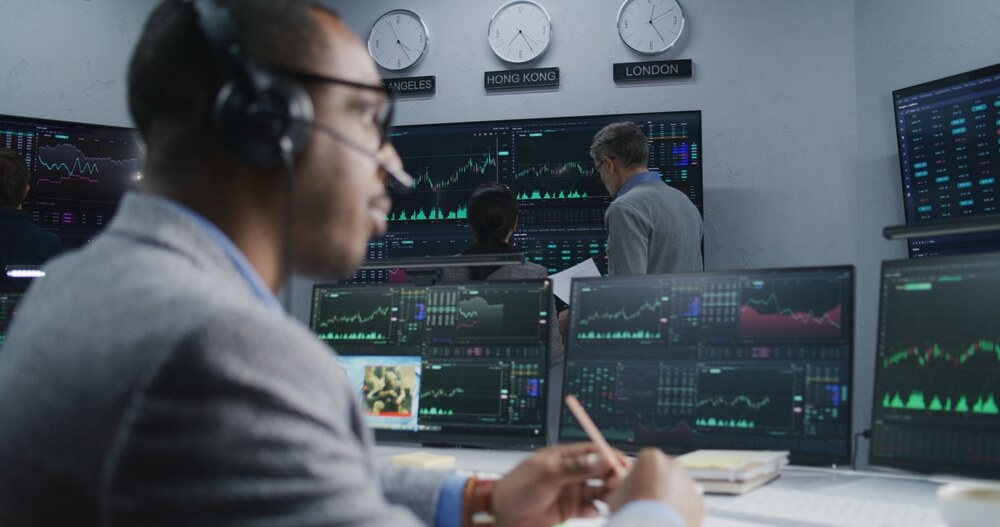
The European session is characterized by high trading volume, largely due to London’s central role in global Forex trading. This surge in activity creates a dynamic environment where prices can move quickly, offering opportunities for both short-term and swing traders.
Certain currency pairs are particularly active during this session, including EUR/USD, GBP/USD, and USD/CHF. These pairs often experience increased volatility, making them attractive for traders who thrive on well-timed market movements.
Economic news releases have a strong impact during this period. Key events such as European Central Bank (ECB) announcements, GDP reports, and PMI data can trigger rapid price swings, creating both risks and opportunities.
Typical market patterns in the European session include breakouts, trend formations, and reversals. Recognizing these patterns in conjunction with news and liquidity conditions allows traders to align strategies with the session’s natural rhythm, enhancing both timing and decision-making.

Trading Strategies for the European Session
The European session offers a variety of trading opportunities due to its high liquidity and volatility. Traders can apply several strategies depending on market conditions:
- Trend Trading. Capitalize on momentum, especially during the overlap with the US session, when price trends often extend across major currency pairs.
- Range Trading. Identify periods of consolidation, typically before key economic news releases, to trade within predictable support and resistance levels.
- Breakout Strategies. Take advantage of high-volatility periods when prices break key levels, providing clear entry and exit points.
- News Trading. Trade around major economic announcements, such as ECB statements or GDP releases, while managing risk carefully to avoid sudden market swings.
Session Overlaps
The European session interacts with other Forex sessions in ways that significantly affect market behavior:
- European-Asian Overlap. This period experiences lower liquidity and slower price movements, making it less ideal for aggressive trading but useful for observing market trends and setting up future trades.
- European-US Overlap. Known for the highest volatility of the day, this overlap creates prime conditions for major trend plays and quick market moves.
Practical Tips
To trade the European session effectively, consider these practical guidelines:
- Timing your trades. The best opportunities often occur at the start of the session and during the European-US overlap, when liquidity and volatility peak.
- Recommended currency pairs. Focus on actively traded pairs such as EUR/USD, GBP/USD, and USD/CHF, which typically show clear movements and reliable trends.
- Using technical indicators. Tools like moving averages, RSI, and Bollinger Bands help identify trends, overbought/oversold conditions, and potential breakout points.
- Avoid common pitfalls. Be cautious of false breakouts and news traps. Always confirm signals with volume, trend direction, and session context before entering trades.
The European session offers unique opportunities for Forex traders, combining high liquidity, active currency pairs, and key economic news releases. At the same time, it presents challenges such as sudden volatility spikes and false breakouts, requiring careful planning.
Success in this session comes from adapting strategies to its specific dynamics, knowing when to trade, which pairs to focus on, and how to interpret market signals. By combining technical analysis with awareness of timing and session overlaps, traders can maximize their opportunities while managing risk effectively.