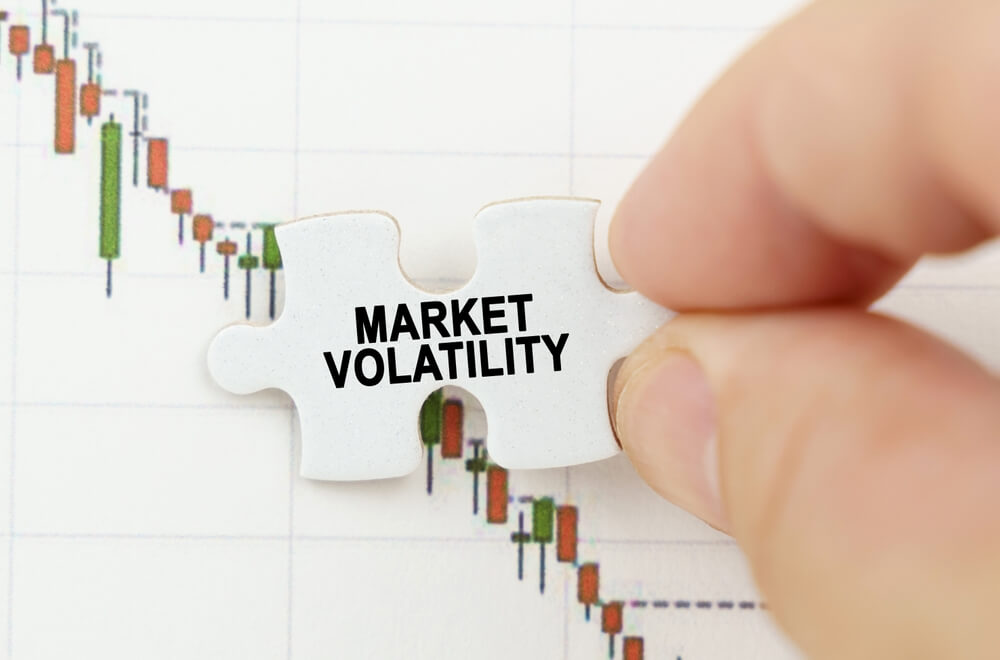
Volatility is closely watched by many professional traders. Price swings can turn opportunities into profits or amplify losses in the blink of an eye, making volatility a key factor in financial decision-making. Put simply, volatility is a measure of how much an asset’s price moves over time. Some assets, like tech stocks or cryptocurrencies, can swing wildly from day to day, while others, like government bonds, tend to move slowly and predictably.
Understanding volatility matters because it shapes risk, strategy, and opportunity. Investors rely on it to manage portfolios and limit losses, while traders use it to identify potential entry and exit points. In a market defined by uncertainty, volatility is both a warning sign and a guide.
What Does High and Low Volatility Mean?
Volatility can take many forms, but it’s often described in terms of high and low.
High volatility occurs when prices swing widely, both up and down, often in rapid succession. Markets or assets experiencing high volatility can see dramatic shifts within hours or days, creating the potential for large gains, but also for significant losses.
Low volatility, by contrast, describes markets where prices change gradually and steadily, with smaller, more predictable fluctuations. While these markets may offer less dramatic profit opportunities, they are generally considered less risky.
How Market Volatility Is Measured
Traders and analysts use a variety of methods to quantify volatility, ranging from simple price changes to sophisticated market indicators. Understanding these measurements helps investors assess risk, spot opportunities, and fine-tune strategies.
Simple Price Change
The most straightforward approach is to look at the difference between an asset’s current and previous closing price. It’s easy to calculate and gives a quick sense of movement.
Statistical Methods
- Historical volatility. This calculates the standard deviation of past returns, providing a statistical view of how much an asset has fluctuated over a given period.
- Average True Range (ATR). ATR measures the range of price movement, capturing gaps and intraday volatility that simple price changes might miss.
Volatility Indicators
- Bollinger Bands. These bands plot standard deviations above and below a moving average, visually showing periods of high or low volatility.
- Beta coefficient. Beta measures a stock’s volatility relative to the broader market, helping investors understand how much risk an asset adds to a portfolio.
Market Sentiment Indicators
- VIX (Volatility Index / “fear gauge”). The VIX reflects the market’s expectations of near-term volatility for the S&P 500. A rising VIX often signals growing uncertainty and investor anxiety.
What Causes Market Volatility
Market volatility doesn’t happen in a vacuum. Various factors, ranging from economic data to human behavior can trigger price swings. Understanding these drivers helps investors and traders anticipate potential turbulence.
- Fundamental news. Earnings reports, corporate announcements, or key economic releases can rapidly shift prices. Positive surprises often drive gains, while disappointing results can trigger sharp declines.
- Geopolitical events. Wars, trade disputes, and political tensions create uncertainty. Investors react to the perceived risk, which can lead to sudden market swings, often across multiple asset classes.
- Macroeconomic changes. Interest rate decisions, inflation data, and other economic indicators influence investor expectations. For example, a surprise rate hike can increase volatility as markets adjust to new borrowing costs and growth forecasts.
- Seasonal or natural events. Weather patterns, commodity cycles, and seasonal trends can impact specific markets. For instance, poor harvests can spike agricultural commodity prices, while hurricane season can disrupt energy markets.
- Psychology and investor behavior. Fear and greed are powerful forces in financial markets. Panic selling or euphoric buying can amplify price swings, sometimes far beyond what fundamentals would suggest.
- Large institutional flows. Massive trades by hedge funds, mutual funds, or pension funds can move markets, especially in less liquid assets. A single large order can create ripple effects that trigger wider volatility.

Should You Trade in Volatile Markets?
Volatile markets can be both exciting and intimidating for traders. While they offer opportunities to profit from sharp price swings, they also come with heightened risks that require careful management.
Benefits of trading in volatile markets include:
- Potential for quick profits. Rapid price movements can create opportunities for short-term gains if trades are timed correctly.
- Opportunities for active traders. Day traders, swing traders, and scalpers often thrive in high-volatility environments, where frequent price changes provide more entry and exit points.
Risks of trading in volatile markets:
- Wider spreads and slippage. Prices can move faster than orders can be executed, leading to higher transaction costs or unexpected fills.
- Higher chance of stop-outs. Volatility increases the likelihood of hitting stop-loss orders, especially when using leverage.
- Emotional stress. Sudden swings can provoke fear or greed, causing poor decision-making and impulsive trades.
Volatility is a measure of how much prices fluctuate and how active the market is at any given time. It shapes the trading environment, influencing both opportunities and risks.
High volatility isn’t inherently good or bad, it simply represents a dynamic market. For traders, the key is balancing potential rewards with the risks involved and aligning trades with personal goals and strategies.
Before entering volatile markets, understand your comfort level with risk, plan carefully, and use disciplined strategies. With preparation and awareness, traders can navigate swings confidently and turn volatility into a potential advantage rather than a source of stress.