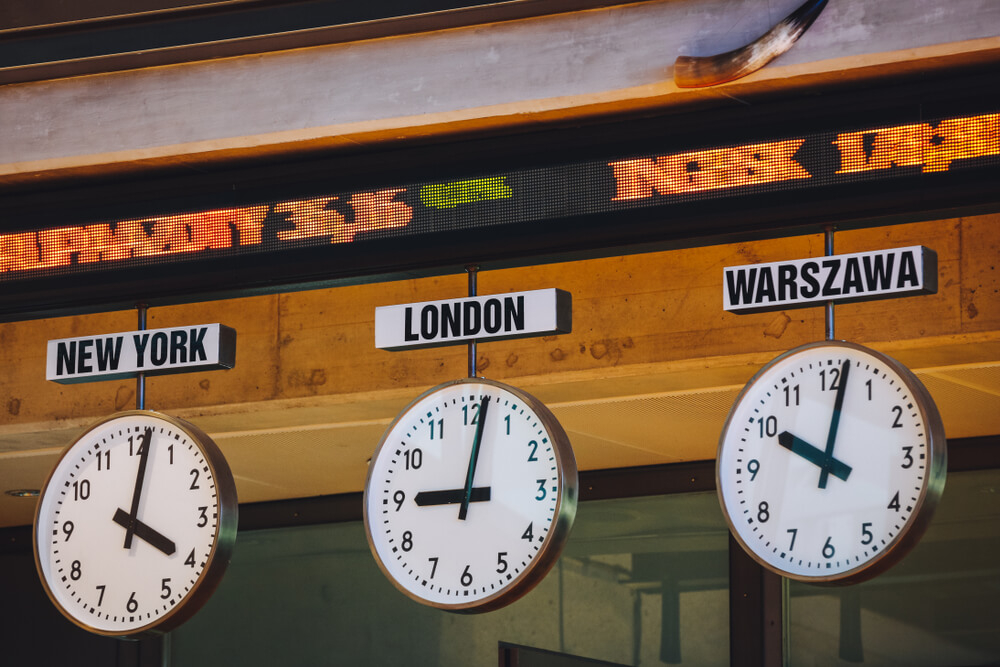
Market session overlaps are key periods when two major trading sessions operate simultaneously, creating conditions for higher liquidity and stronger price movements. These overlaps often lead to increased volatility, making them prime opportunities for traders to enter and exit positions with greater efficiency. Understanding when these overlaps occur allows traders to anticipate market behavior and capitalize on short-term fluctuations.
What Are Trading Session Overlaps?
Forex trading is divided into several major sessions based on global financial centers, including Sydney, Tokyo, London, and New York. Each session has its own characteristics, such as liquidity levels, volatility, and trading style.
A trading session overlap occurs when two of these sessions are open at the same time. The London-New York overlap is the most active, with the largest trading volumes and significant price movements in major currency pairs. Meanwhile, the Sydney-Tokyo overlap marks the early trading hours in Asia, offering smaller but notable opportunities, particularly in Asian and Pacific currencies.
Overlaps create better trading conditions because they combine liquidity from both regions, resulting in tighter spreads, faster order execution, and increased volatility. This makes them ideal periods for traders seeking more dynamic market activity and potential profit opportunities.
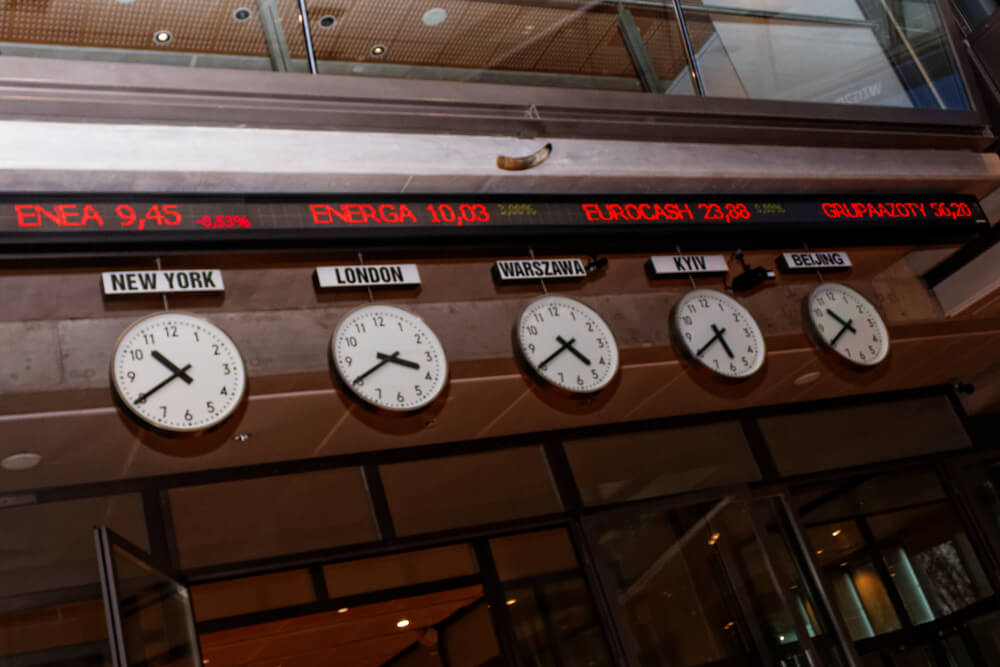
Why Overlaps Matter for Traders
Trading session overlaps are some of the most important periods for active traders because they bring together high liquidity, volatility, and institutional participation. When major markets, like London and New York, are open simultaneously, there are more buyers and sellers in the market, which tightens spreads and reduces trading costs.
The increased activity also leads to larger price movements, creating more opportunities for strategies like scalping, breakout trading, and momentum trades. Additionally, the presence of banks, hedge funds, and other institutional players can reinforce trends and establish significant support and resistance levels, making market behavior more predictable.
Overlaps also improve the reliability of technical signals and make it easier for traders to analyze trends, reversals, and breakout points, creating optimal conditions for executing both short-term and swing trading strategies. Overall, session overlaps combine liquidity, volatility, and market power, making them a key window for maximizing trading opportunities.

How to Trade Each Overlap
London-New York Overlap
This overlap is the most active period in the market. It’s ideal for trading major currency pairs like EUR/USD and GBP/USD, where liquidity is highest and spreads are tightest. Traders often see strong trends and significant price movements during this period, making it suitable for breakout and momentum strategies. Economic news releases from both the U.S. and Europe can also amplify volatility, creating short-term trading opportunities.
Sydney-Tokyo Overlap
This overlap is calmer and features lower volatility, making it better suited for range-bound or mean-reversion strategies. Traders typically focus on pairs involving AUD, NZD, and JPY. Price movements are generally steadier, and there are fewer large trends, so it’s important to identify clear support and resistance levels and trade within them. This period is less favorable for aggressive breakout strategies but works well for careful, measured trades.
Simple Trading Plan (Step-by-Step)
Here is a plan for trading during session overlaps:
- Choose the overlap session. Decide which market overlap fits your trading style. For high volatility and strong trends, focus on the London-New York overlap. For calmer, range-bound trading, the Sydney-Tokyo overlap is better.
- Select the right currency pairs. Pick pairs that are most active during your chosen overlap. Major pairs like EUR/USD and GBP/USD work best during London-New York, while AUD, NZD, and JPY pairs suit Sydney-Tokyo.
- Define entry and exit rules. Establish clear criteria for when to enter and exit trades. This can include technical indicators, price action patterns, or specific breakout points. Consistency is key.
- Monitor news and volatility. Keep track of economic releases, central bank announcements, and unexpected events that can cause sudden price swings. Adjust your strategy to avoid unnecessary risk during high-impact news.
- Stick to risk management rules. Determine your position size, stop-loss levels, and maximum daily risk. Protecting your capital ensures you can trade another day, even if a trade goes against you.

Following these steps creates a structured approach that helps traders stay disciplined, reduce emotional decisions, and capitalize on the best trading opportunities during overlap sessions.
Trading session overlaps represent some of the best opportunities, combining high liquidity, volatility, and institutional participation. However, successful trading is not just about chasing big moves. Focusing on a clear market structure, defined entry and exit rules, and disciplined risk management is essential. By sticking to a consistent trading plan and avoiding impulsive decisions, traders can maximize opportunities during overlaps while protecting their capital and maintaining long-term profitability.